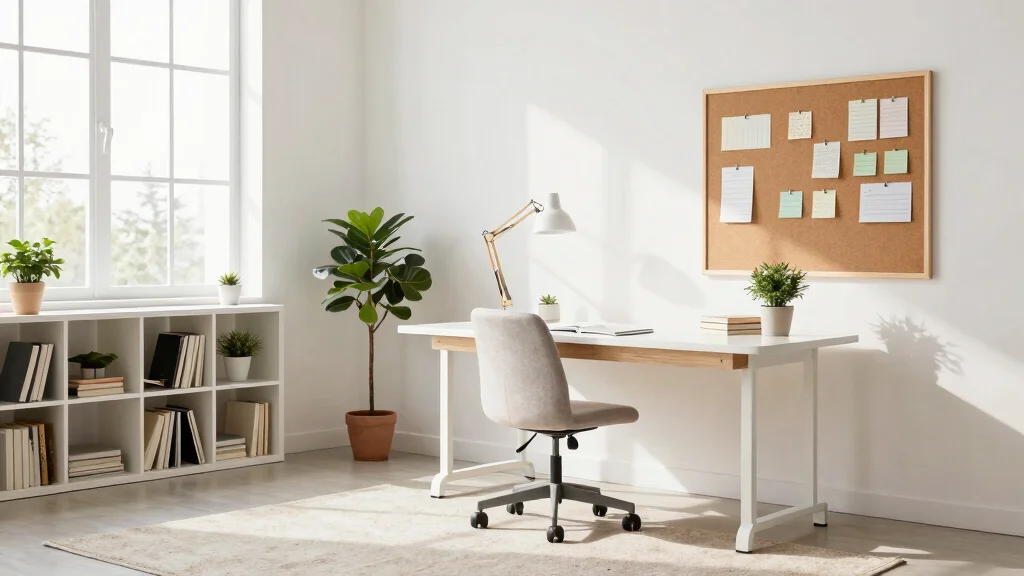
Renovating your study room is more than just a home improvement project; it’s about creating a sanctuary for learning and productivity. Maybe you’ve spent too many hours in a cluttered corner, struggling to focus. Or perhaps you’ve realized that your space doesn’t inspire creativity. Whatever the reason, this post is here to guide you through rejuvenating your workspace. You deserve a study room that reflects your style and meets your needs.
If you’re someone who values organization and aesthetic appeal, you’re in the right place. This blog is designed for students, remote workers, or anyone looking to enhance their work-from-home experience. You’ll find practical tips aimed at minimalist design and workspace organization. Each idea will help you create an efficient and inviting study room that promotes productivity.
In this post, we’ve gathered 11 fantastic study room renovation ideas that are simple yet effective. From embracing minimalism with neutral colors to emphasizing natural light, each suggestion is tailored to help you create a space that feels right for you. Get ready to transform your workspace into a haven of focus and inspiration!
Key Takeaways
– Embrace Minimalism: Start with a neutral color palette to keep your space calm and clutter-free. This helps you focus better on your tasks.
– Optimize Your Layout: Arrange your furniture to support productivity. Ensure your seating and desk arrangement allow for easy movement and access to materials.
– Smart Storage Solutions: Incorporate clever storage options to keep your study area organized. Use shelves, baskets, or hidden compartments to reduce visual clutter.
– Natural Light Matters: Maximize natural light to boost your mood and energy. Position your desk near windows or opt for light, airy curtains.
– Personal Touches: Don’t shy away from personalizing your space. Add meaningful decor items, plants, or artwork to make your study room feel uniquely yours.
1. Embrace Minimalism with Neutral Colors

A minimalist design thrives on a serene color palette. Soft neutrals like gentle whites, beiges, and light pastels foster a tranquil atmosphere that enhances concentration. This combination works beautifully, especially when you use light-colored walls to create an illusion of a larger, brighter space, paired with warm wooden furniture for a cozy touch.
To maximize this aesthetic, opt for white or light wood for your desk and shelves. Introduce vibrant accents through cushions or art pieces to add character without overwhelming the space. A large mirror can significantly enhance light and the sense of space, contributing to the open feel.
Consider these elements to enhance your minimalist design:
– Pair soft beige walls with light oak furniture
– Install a white desk topped with colorful accessories
– Use decorative pillows in vibrant hues for a pop of color
– Incorporate a mirror to reflect light and create depth
This approach not only elevates your decor but also ensures a calming environment, where textures and materials work harmoniously to inspire focus.
Embrace Minimalism with Neutral Colors
Editor’s Choice




2. Optimize Your Layout for Productivity
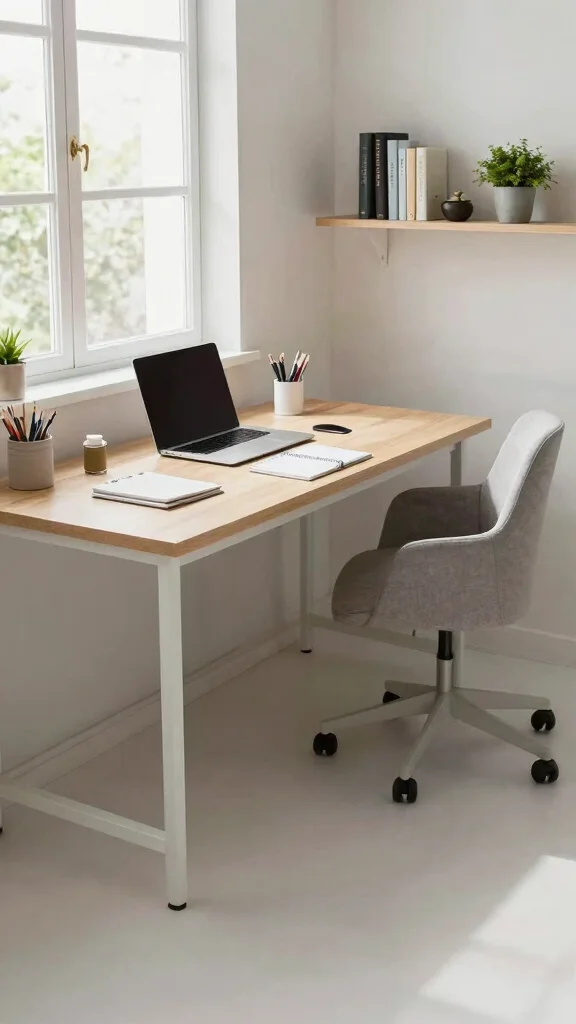
The arrangement of your study room is crucial for boosting your productivity. Creating a dedicated workspace is essential; position your desk near a window to enjoy natural light or in a cozy corner that feels inviting. This strategic placement fosters a comfortable environment conducive to focus.
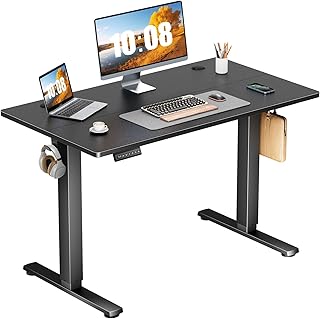
Ensure ample space for movement, which can enhance your workflow. Keep essential items within reach to minimize distractions and improve efficiency. Consider using adjustable desks that allow you to alternate between sitting and standing, keeping your energy levels high.
Use these tips to optimize your layout:
– Position your desk close to windows for natural light
– Create a cozy nook with comfortable seating
– Keep frequently used items easily accessible
– Switch to an adjustable desk for versatile use
A well-thought-out layout can significantly enhance how you feel and work in your study space.
Your study room renovation layout isn’t decoration—it’s productivity DNA. Place your desk by a window for natural light, keep essentials within reach, and choose an adjustable desk to adapt as you work. A thoughtful setup makes focus feel effortless.
Optimize Your Layout for Productivity
Editor’s Choice



3. Incorporate Smart Storage Solutions
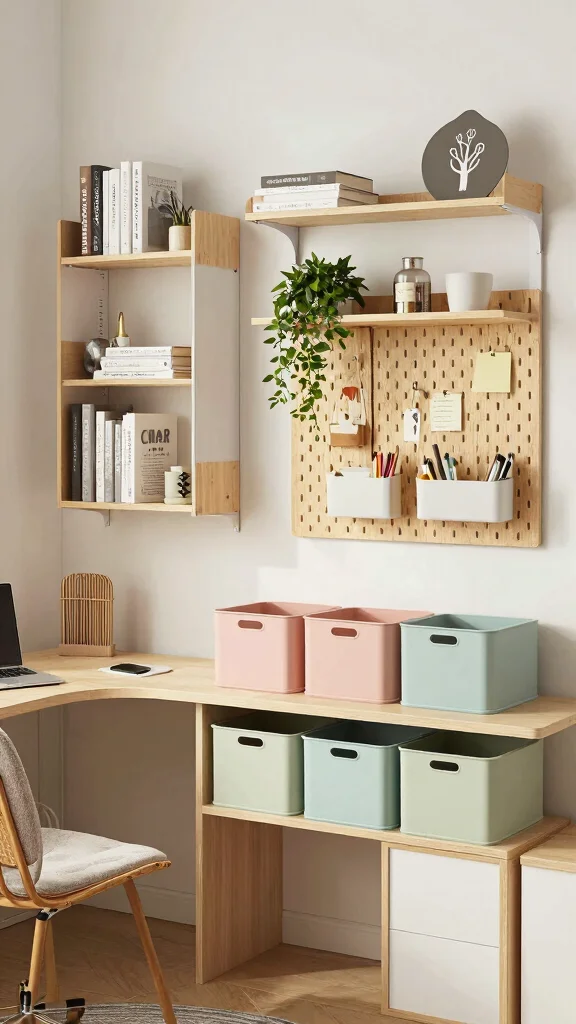
A tidy study area is vital for maintaining focus and clarity. Smart storage solutions help you achieve an organized look while ensuring easy access to all your materials. Utilizing vertical space effectively with wall-mounted shelves or pegboards can keep your desk clutter-free.
Invest in multifunctional furniture, such as a desk that features built-in drawers or stylish storage ottomans. Use decorative baskets or bins to neatly store loose papers and supplies, combining functionality with aesthetics.
Consider these storage ideas to keep your study space organized:
– Install wall-mounted shelves for effective vertical storage
– Choose a desk with integrated drawers for convenience
– Use decorative bins to house office supplies
– Arrange books and materials neatly on shelves
These organization strategies not only create a clean workspace but also add an attractive element to your decor.
4. Add Personal Touches with Decor
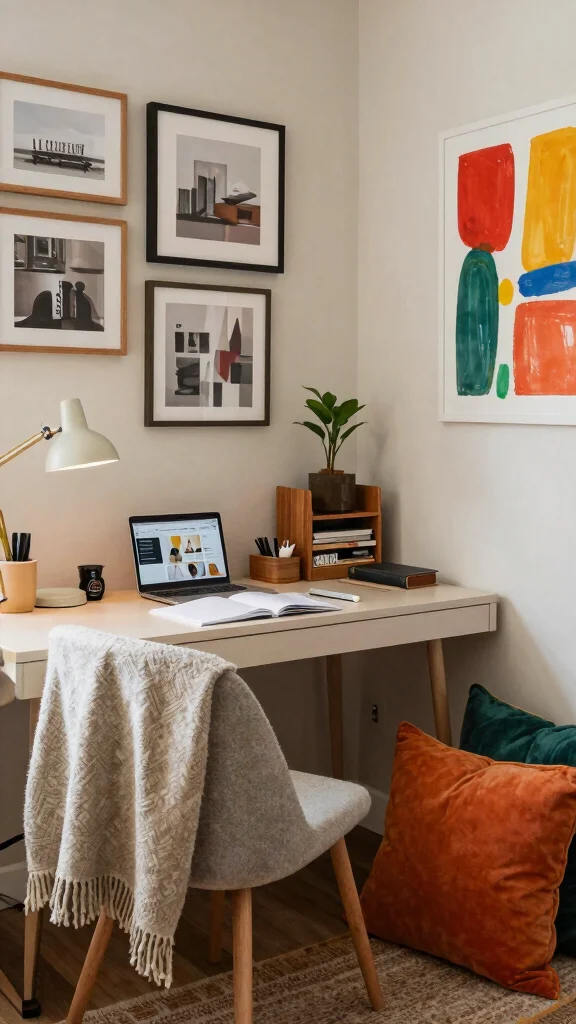
Your study room should be a reflection of your unique personality. Adding personal decor makes the space inviting and sparks creativity. Hang artwork or photographs that inspire you on the walls, and select desk accessories that align with your style.
Incorporate soft furnishings like cushions or throws in your favorite colors to enhance comfort. Personal touches forge an emotional connection to your workspace, making it a place where you feel at ease and productive.
Use these ideas to personalize your space:
– Hang motivational artwork on the walls
– Choose desk organizers that resonate with your style
– Add cushions in colors that uplift you
– Include sentimental items that inspire you
Crafting a space that feels like home while you work can greatly enhance your overall experience.
5. Emphasize Natural Light
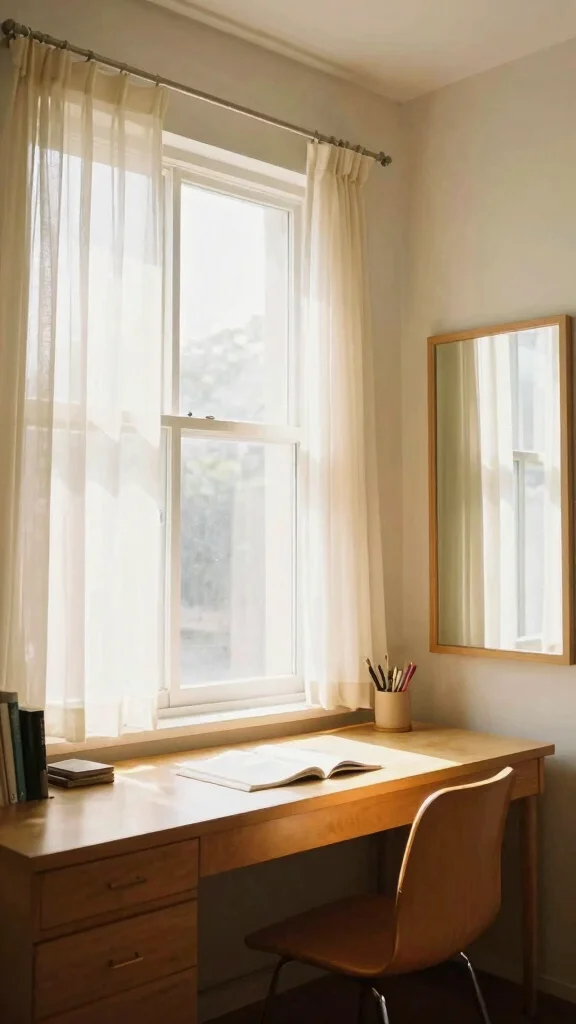
Natural light transforms any workspace into a lively environment. It elevates your mood and keeps you alert during study sessions. Position your desk to face a window to maximize daylight exposure, and avoid heavy curtains in favor of sheer drapes that let light filter in gracefully.
Use mirrors strategically to reflect light throughout the room. Research indicates that natural light positively impacts productivity and creativity, making it essential to incorporate into your study room design.
Here are ways to harness natural light:
– Position your desk in front of a window
– Use sheer curtains to invite light in
– Install mirrors to amplify brightness
– Keep windows clean to maximize light exposure
A well-lit room not only enhances functionality but also creates a vibrant atmosphere that encourages creativity.
Emphasize Natural Light
Editor’s Choice


You might also like
6. Choose Ergonomic Furniture
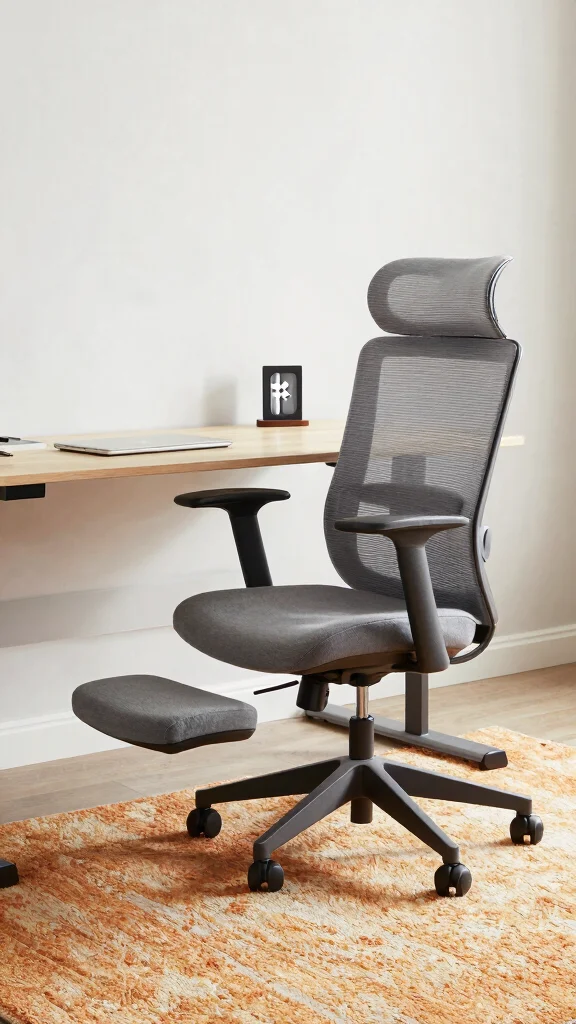
Comfort should be paramount in your study room. Ergonomic furniture supports healthy posture, preventing strain during prolonged study sessions. Invest in an adjustable chair that provides back support and encourages good posture, allowing you to work comfortably for hours.
Opt for a desk that accommodates height adjustments, and consider adding a footrest or lumbar support pillow for extra comfort. Prioritizing your physical health while working plays a crucial role in enhancing productivity.
Follow these suggestions for ergonomic choices:
– Select an adjustable chair for personalized comfort
– Choose a desk with height adjustment capabilities
– Incorporate a footrest for improved posture
– Use lumbar support for added back support
Choosing the right furniture is essential for a productive and comfortable study experience.
7. Integrate Technology Thoughtfully
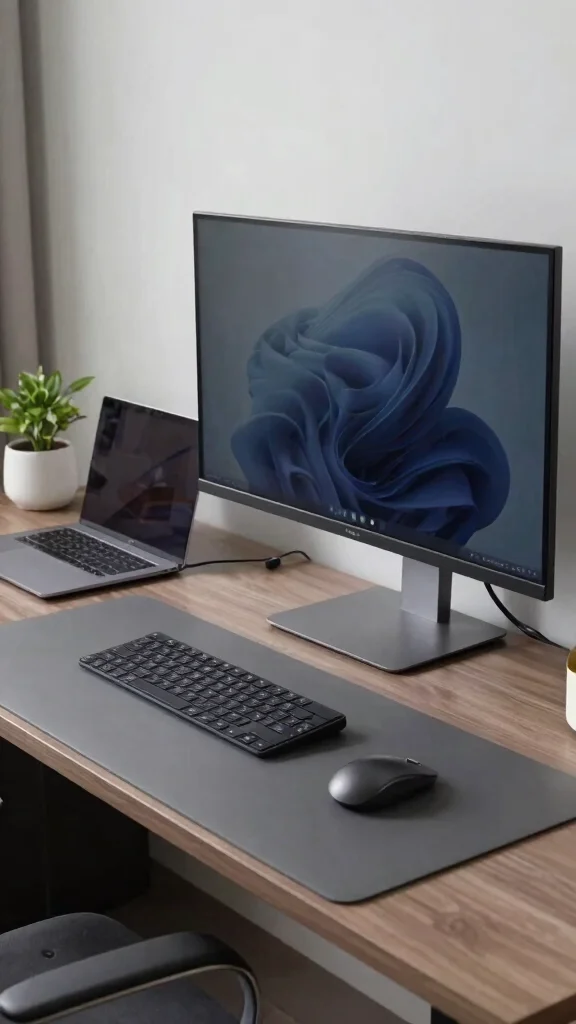
In this digital era, your study room must accommodate technology. However, it’s vital to integrate it thoughtfully, ensuring it doesn’t clutter your space. Use cable organizers to keep cords neat and hidden, creating a streamlined look.
Choose tech equipment that complements your decor, such as a sleek monitor or stylish speakers, and consider wireless devices to further reduce clutter. With careful planning, technology can enhance your workspace rather than disrupt it.
Here are some tech integration tips:
– Use cable organizers to manage cords
– Select tech that matches your room’s aesthetic
– Opt for wireless devices for a cleaner look
– Keep tech accessories organized in designated spaces
Thoughtful integration of technology can elevate your study environment while maintaining a serene atmosphere.
Smart cable management is a game changer for your study room renovation. Hide cords with cable organizers, pick wireless devices, and let tech support quiet focus—not chaos. When tech complements decor, your workspace feels calmer and more productive every day.
8. Create Zones for Different Activities
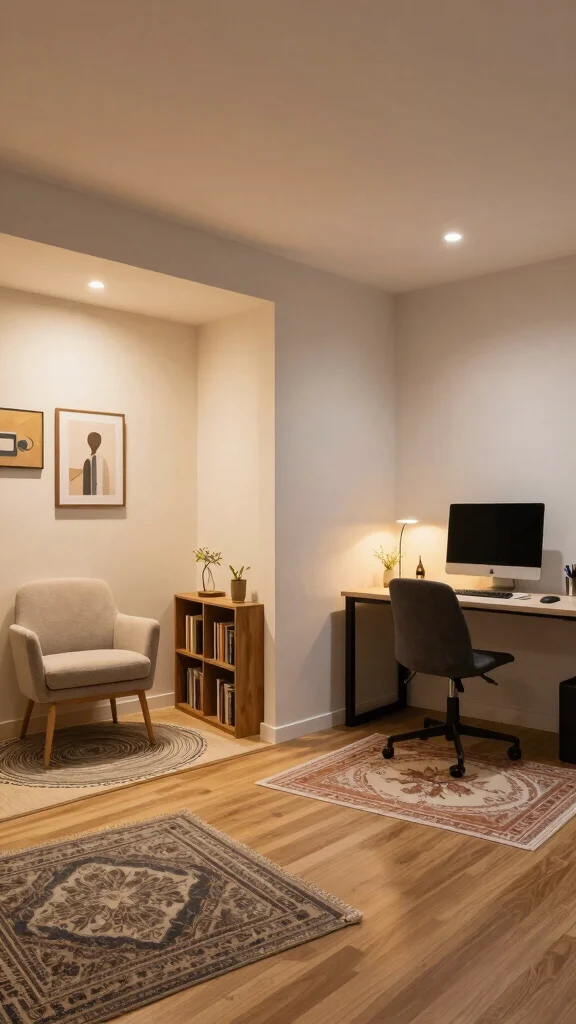
If your space allows, consider designing distinct zones within your study room for various activities. This strategy helps maintain focus and enhances the efficiency of your study sessions. Designate areas for reading, computer work, and perhaps a cozy nook for brainstorming.
Use rugs, strategic furniture arrangements, or varied lighting to clearly define these zones. This diversity keeps the space dynamic and facilitates a smoother transition between tasks.
Implement these ideas to create functional zones:
– Designate specific areas for reading and studying
– Use rugs to visually separate activities
– Arrange furniture to support different tasks
– Incorporate varied lighting for each zone
A well-organized room that accommodates different tasks can significantly boost your productivity and creativity.
Create Zones for Different Activities
Editor’s Choice


Cost Breakdown & Budget Planning
Renovating your study room can be both exciting and overwhelming. Knowing how to budget can make this process smoother. Let’s break down the costs you’ll likely face and how to plan your budget effectively.
Cost Breakdown by Category:
– Materials/Products: Expect to spend between $300 and $2,000. This range covers everything from basic furniture to high-end decor. Key items include desks, chairs, and shelving units.
– Tools/Equipment: If you’re doing the renovation yourself, tools may cost you $50 to $300. This includes items like drills, paintbrushes, and measuring tape.
– Labor/Professional Installation: Hiring professionals can run from $200 to $1,500, depending on the extent of the work. This cost is ideal for those who want a polished finish without the effort.
– Optional Extras: Consider adding $100 to $500 for things like artwork, decorative items, or tech gadgets. These will enhance your study room decor and make your space feel more personal.
Budget Tier Breakdown:
Basic Economy Tier $
– What’s included: You’ll get the bare essentials. Think a basic desk, a chair, and some shelving. You can also opt for second-hand items or DIY furniture.
– Good for: This tier is great for students or anyone looking to create a functional workspace on a shoestring budget.
– Limitations: You’ll miss out on comfort and style. A basic setup may not inspire productivity like a well-designed space would.
Mid-Range Tier $$
– What’s included: This option balances quality with cost. You’ll find comfortable furniture, decent storage solutions, and some decorative touches.
– Good for: Ideal for remote workers or hobbyists who need a cozy space to focus.
– Best value for: Most people will find this tier provides a comfortable, visually appealing workspace without breaking the bank.
Premium Tier $$$
– What’s included: Expect high-quality furniture, smart storage solutions, and personalized decor. Every detail is thought through for maximum comfort and efficiency.
– Good for: Professionals who spend long hours in their study will appreciate this investment.
– Worth it if: You need a tailored workspace that reflects your personality and enhances productivity.
Money-Saving Tips:
– Shop Smart: Look for sales or shop at discount stores. You can score great deals on furniture and decor.
– DIY Projects: Consider building your own shelves or desk. Many online tutorials can guide you through simple projects.
– Repurpose Items: Use what you already have. Old furniture can often be repainted or refurbished for a fresh look.
– Buy Second-Hand: Thrift stores and online marketplaces are treasure troves for unique finds at lower prices.
Where to Splurge:
– Ergonomic Furniture: Invest in a good chair and desk. This is essential for your comfort, especially if you spend hours working.
– Lighting: Quality lighting can improve your workspace significantly. Choose fixtures that suit your style and provide adequate light for tasks.
– Tech Upgrades: If your work requires technology, spending on a reliable computer and accessories, like ergonomic keyboards and monitors, pays off in productivity.
Budgeting for your study room renovation doesn’t have to be complicated. By planning carefully and understanding your needs, you can create a functional and stylish workspace. Happy renovating!
9. Utilize Plants for a Refreshing Atmosphere
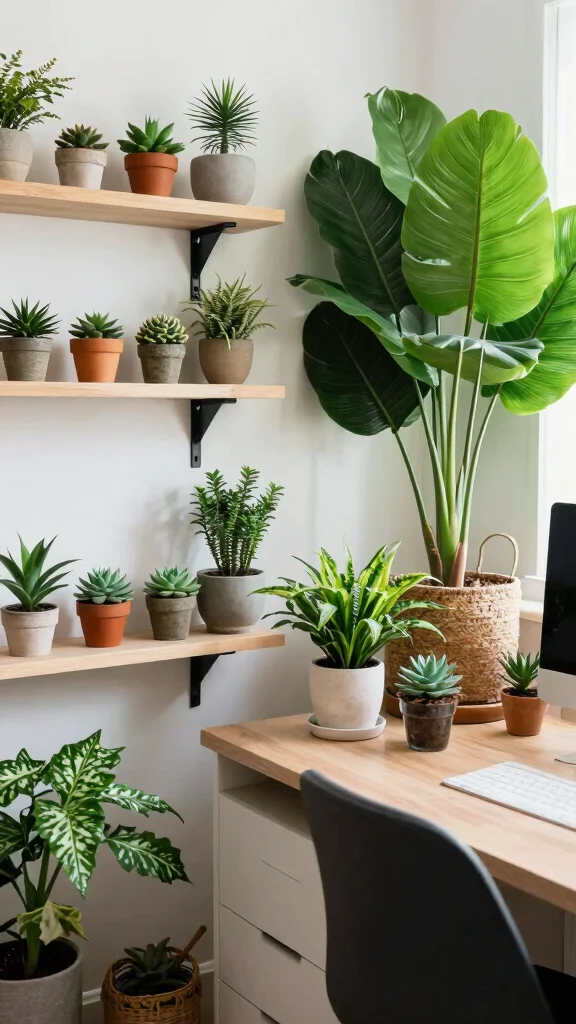
Incorporating plants into your study room can turn it into a refreshing oasis. Not only do plants improve air quality, but they also elevate your mood. Include a variety of plants, both small and large, to enhance visual interest and create a lively atmosphere.
For those not confident in their gardening skills, consider low-maintenance options like succulents or snake plants. Arrange them thoughtfully on shelves, windowsills, or your desk for maximum impact.
Use these tips to bring greenery into your space:
– Choose a mix of small and large plants
– Opt for low-maintenance varieties for ease
– Place plants at varying heights for visual appeal
– Arrange greenery on desks and shelves
The presence of greenery fosters a vibrant, nature-connected workspace that enhances your study experience.
Fun fact: adding even one live plant to your study room renovation can boost concentration by up to 12% and improve mood by 8%. Choose low-maintenance options like succulents or snake plants, and place them on shelves, windowsills, or your desk for a refreshing workspace.
10. Add Soft Lighting for a Cozy Feel
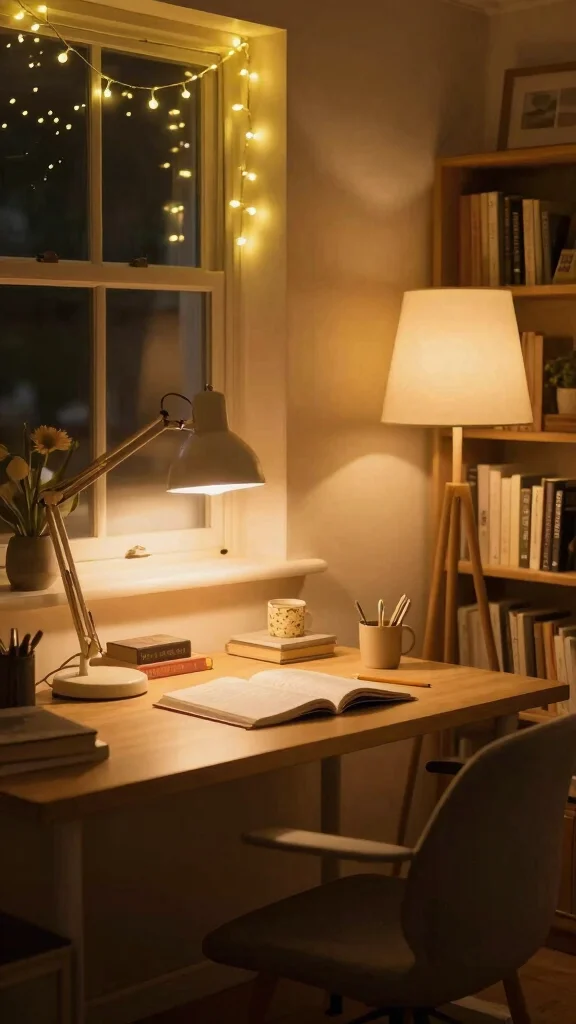
Lighting plays a critical role in setting the mood of your study room. Soft, warm lighting creates a cozy environment that encourages both relaxation and focus. Use warm LED bulbs to craft a calming atmosphere, and incorporate various light sources like desk lamps, floor lamps, and fairy lights for added charm.
Consider installing dimmer switches, allowing you to adjust brightness as needed. A well-lit room is not only functional but can also serve as a beautiful sanctuary that nurtures creativity and concentration.
Here are ways to enhance your lighting:
– Use warm LED bulbs for a cozy glow
– Incorporate multiple light sources for depth
– Add fairy lights for a whimsical touch
– Install dimmer switches for adjustable brightness
Thoughtful lighting choices can enhance both functionality and the overall ambiance of your study space.
Add Soft Lighting for a Cozy Feel
Editor’s Choice




11. Keep it Clutter-Free
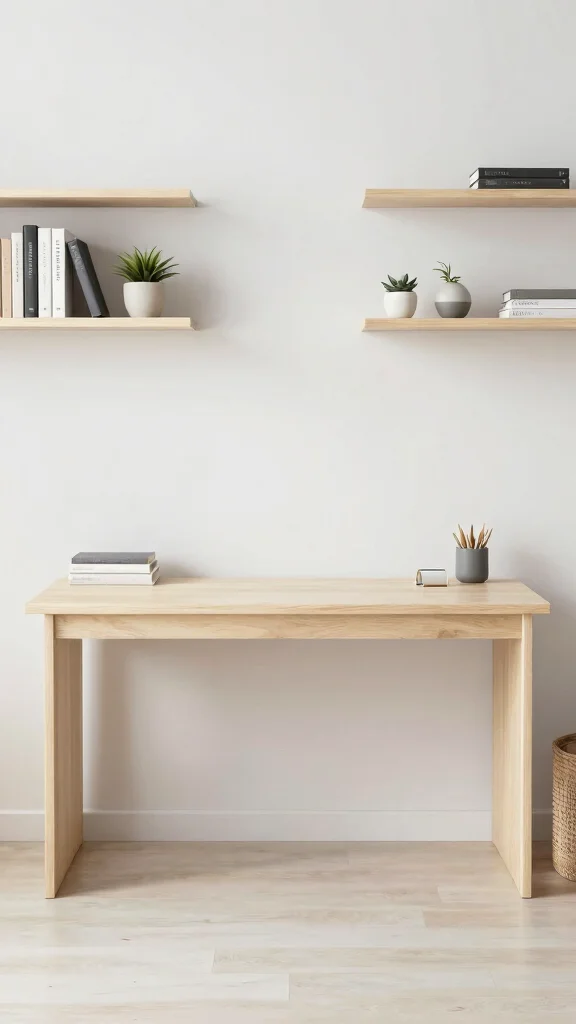
Maintaining a clutter-free environment is essential for staying focused and productive. A clean space can significantly enhance your ability to concentrate and think creatively. Dedicate time each week to tidy up your study area, ensuring everything is in its place.
Implement a ‘one in, one out’ rule for decor and materials to keep clutter manageable. Utilize effective storage solutions to ensure that every item has a designated spot.
Follow these tips to keep your study room organized:
– Set a weekly cleaning schedule to tidy up
– Adopt a ‘one in, one out’ decor rule
– Use storage solutions for organized materials
– Regularly assess your space for clutter
Your study room should serve as a sanctuary for learning and creativity, free from distractions and chaos.
Conclusion
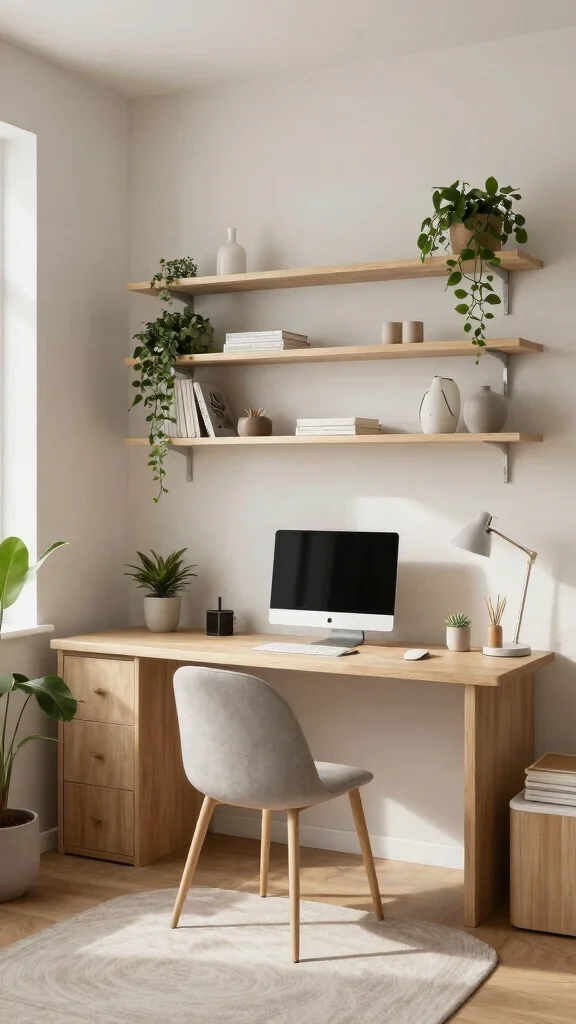
Renovating your study room is about creating a space that inspires productivity and creativity while feeling personal and comfortable.
By embracing minimalism and focusing on organization, decor, and functionality, you can develop a workspace that suits your needs perfectly.
Take inspiration from these ideas and start transforming your study room into a productive oasis today!
Note: We aim to provide accurate product links, but some may occasionally expire or become unavailable. If this happens, please search directly on Amazon for the product or a suitable alternative.
This post contains Amazon affiliate links, meaning we may earn a small commission if you purchase through our links, at no extra cost to you.
Frequently Asked Questions
What is the first step in planning a study room renovation for a minimalist home office design?
Begin with a clear goal for the space: will it handle focused study, online meetings, or quick writing sessions? Then measure, sketch a simple layout, and set a realistic budget. Pick a neutral color palette and only essential furniture—a slim desk, an ergonomic chair, and smart storage—so your space stays calm and functional. Plan for workspace organization and study room decor that support interior design tips for a peaceful vibe. Finally, map out lighting (natural plus layered task lighting) to boost productivity enhancements.
How can I maximize productivity with a minimalist study room decor?
Start with a clean desk: keep only what you actively use. Designate zones for work, storage, and charging to reduce interruptions. Use a sit-stand desk or an ergonomic chair, hide cables with thoughtful cable management, and choose layered lighting that reduces eye strain. Add a small plant or two and a simple calendar or whiteboard for quick planning—these interior design tips can boost productivity enhancements without clutter. Remember: study room decor should support focus, not distraction.
What storage solutions work best for a small study room to keep it clutter-free?
Think vertical first: tall shelves, wall-mounted cabinets, and floating desks maximize every inch. Use drawers and baskets inside cabinets to hide supplies, and choose desk organizers to keep pens and cables tidy. Labeling and a simple labeling system helps workspace organization stay consistent. By keeping surfaces clear, your minimalist home office design remains soothing and productive.
How do I pick a color palette and materials for a calm, minimalist study room renovation?
Go with light neutrals as the base, add warmth with wood accents, and choose matte finishes to reduce glare. Avoid busy patterns and incorporate texture with textiles, rugs, and a small plant for depth. Test paint swatches in different lighting and pick materials that are easy to clean and durable—these interior design tips help your study room decor stay cohesive and serene, which supports better focus.
What affordable upgrades can dramatically improve a home office design and study room renovation?
Start with a few affordable upgrades: a monitor arm to improve posture, adjustable lighting, and neat workspace organization with under-desk storage. Add a small plant for life, invest in cable management to hide cords, and use a compact whiteboard for quick planning. A budget-friendly paint color, a lightweight rug, or cork panels can improve acoustics and vibe. These interior design tips reinforce home office design and deliver noticeable productivity enhancements in your study room renovation.
Related Topics
study room renovation
home office design
minimalist decor
workspace organization
interior design tips
productivity enhancements
budget friendly
small space solutions
DIY workspace
modern workspace
beginner friendly
easy updates