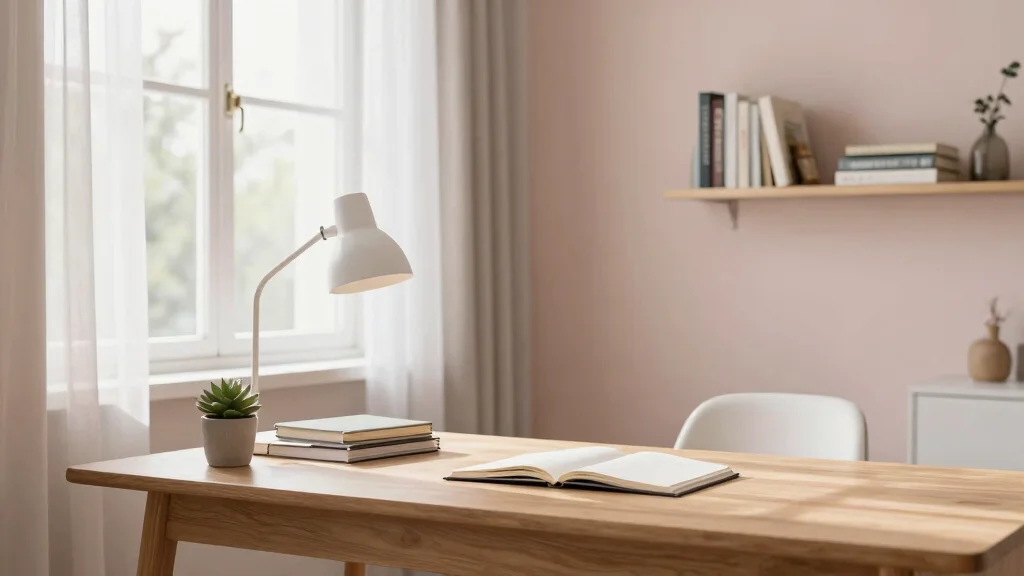
Creating a productive study room can sometimes feel like an uphill battle. The clutter, distractions, and chaos can easily pull you away from your tasks. With deadlines looming and assignments piling up, you need a space that fosters focus and creativity. That’s why I put together this list of 13 study room organization ideas designed to keep distractions at bay. Whether you’re a student, a remote worker, or just someone who values a quiet space for concentration, these tips will help you create an environment that encourages productivity.
If you’re someone who loves minimalistic design or simply wants to enhance your study space decor, you’re in the right place! You’ll find practical organization ideas that are not only functional but also aesthetically pleasing. This guide is packed with achievable solutions that suit various spaces and budgets. By the end of this post, you’ll have actionable insights that will help you transform your study area into a haven for productivity and creativity.
Let’s dive into these 13 study room organization ideas that will make your study space a place where you can truly thrive!
Key Takeaways
– Embracing a neutral color palette can create a calming environment, making it easier for you to focus on your work.
– Vertical storage solutions maximize space and keep your belongings organized without cluttering your desk.
– Multi-functional furniture helps save room and provides versatility, making your study area more efficient.
– Using clear containers can help you quickly locate materials, reducing the time spent searching for supplies.
– Personal touches like plants and inspirational decor can make your workspace inviting and motivate you to stay productive.
1. Embrace a Neutral Color Palette
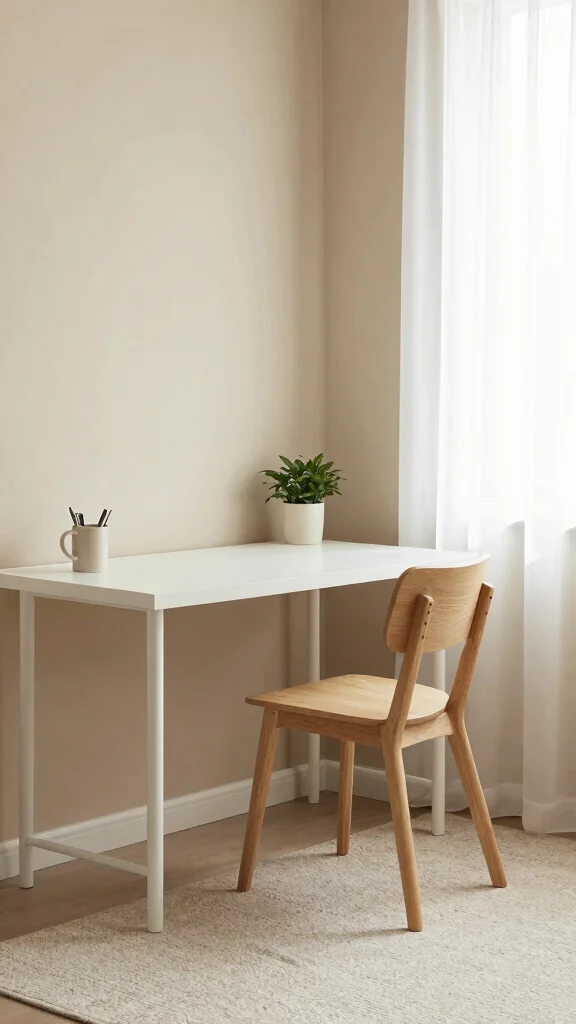
Choosing a neutral color palette is essential for a study room that promotes focus and calmness. Soft whites, gentle beiges, and subtle grays create a soothing environment that reduces distractions and encourages concentration. For instance, painting your walls in these light shades can make the room feel airy and spacious, while neutral furniture can complement the overall aesthetic beautifully. This approach also allows for simple updates with colorful decor accents when desired.
To enhance this palette, consider incorporating budget-friendly elements like thrifted furniture or DIY decor. This minimalist style aligns perfectly with current design trends, offering an emotional boost whenever you enter the space.
Consider these elements to maximize this palette’s potential:
– Pair soft beige walls with white furniture for brightness.
– Use pastel accessories to add gentle color pops.
– Stick to solid textures rather than busy patterns for a calm feel.
By keeping the decor simple and cohesive, you create an inviting study area that inspires productivity.
Embrace a Neutral Color Palette
Editor’s Choice




How To Choose the Right Study Room Organization Ideas
Choosing the right organization ideas for your study room can make a huge difference in your productivity and focus. Here are some essential criteria to consider when selecting these ideas:
1. Understand Your Space
Before diving into organization ideas, assess your study room’s size and layout. Measure your desk, shelves, and any other furniture you plan to incorporate. Knowing the available space helps you avoid overcrowding and ensures you have enough room for movement. A well-planned space will enhance your comfort and efficiency.
2. Define Your Purpose
What are your main activities in this space? Whether you’re studying, working, or doing creative projects, your purpose will guide your organizational choices. If you need a quiet space for intensive studying, focus on creating a minimalist environment. If you want to combine studying with hobbies, consider multi-functional furniture or designated zones for each task.
3. Choose Minimalist Aesthetics
Minimalism is all about simplicity. Opt for neutral color palettes that promote calmness and clarity. White, beige, and soft pastels can make your space feel larger and less cluttered. By choosing minimalist decor, you not only keep distractions at bay but also create an inviting atmosphere conducive to concentration.
4. Select Functional Storage Solutions
Vertical storage options like shelves and wall-mounted organizers maximize your available space without taking up too much floor area. Clear containers or labeled boxes help you see what you have at a glance. Consider multi-functional furniture, such as a desk with built-in drawers, to keep your essentials accessible yet out of sight.
5. Prioritize Natural Light
Natural light boosts mood and productivity. Position your desk near a window to take advantage of daylight. If natural light is limited, select bright task lighting that mimics daylight. Avoid clutter near windows to fully enjoy the view and sunlight, which can significantly uplift your studying experience.
6. Personalize Your Space
Adding touches of personality can make your study room feel more inviting. Use plants for a fresh look and improved air quality. Inspirational quotes or artwork can keep you motivated. Just remember to keep these personal elements minimal to avoid distractions.
Pro Tip: Take time to regularly reassess your study room. As your needs change, so should your organization strategy. A space that evolves with you will always be functional and inspiring!
Implementing these criteria will help you select the best study room organization ideas that enhance your focus and productivity. By understanding your space, defining your purpose, and keeping it minimal, you’ll create an efficient study area that works for you. Happy organizing!
2. Utilize Vertical Storage
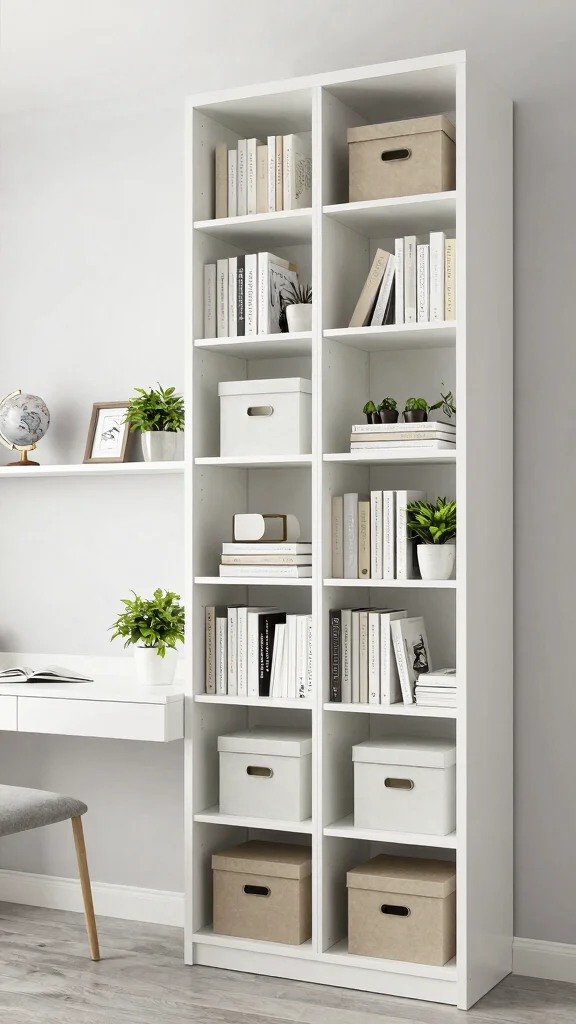
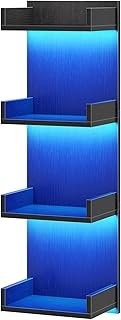
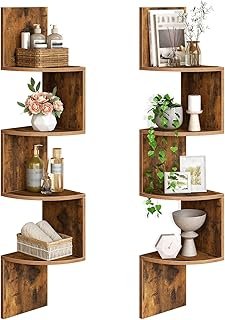
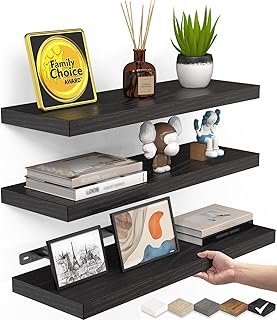
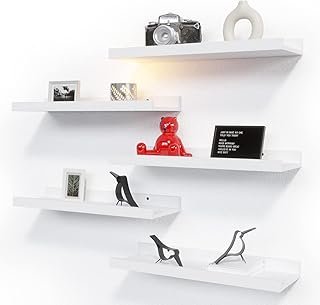
Harnessing vertical storage is a clever way to organize your study area while keeping it visually appealing. Floating shelves or tall bookcases can hold your books and supplies, making everything easily accessible while freeing up valuable floor space. This method not only declutters your environment but also showcases your favorite items, creating a personalized backdrop for your studies.
To implement this effectively, consider shopping at second-hand stores for unique shelving options or DIYing your own. This trend not only saves money but also promotes creativity in how you display your belongings.
Try these practical tips:
– Keep frequently used items on lower shelves for easy access.
– Use decorative boxes on higher shelves for less frequently needed materials.
– Arrange items by color or size for a tidy appearance.
By organizing vertically, you cultivate a sense of openness that invites creativity and inspiration into your study space.
Utilize Vertical Storage
Editor’s Choice

3. Invest in Multi-functional Furniture
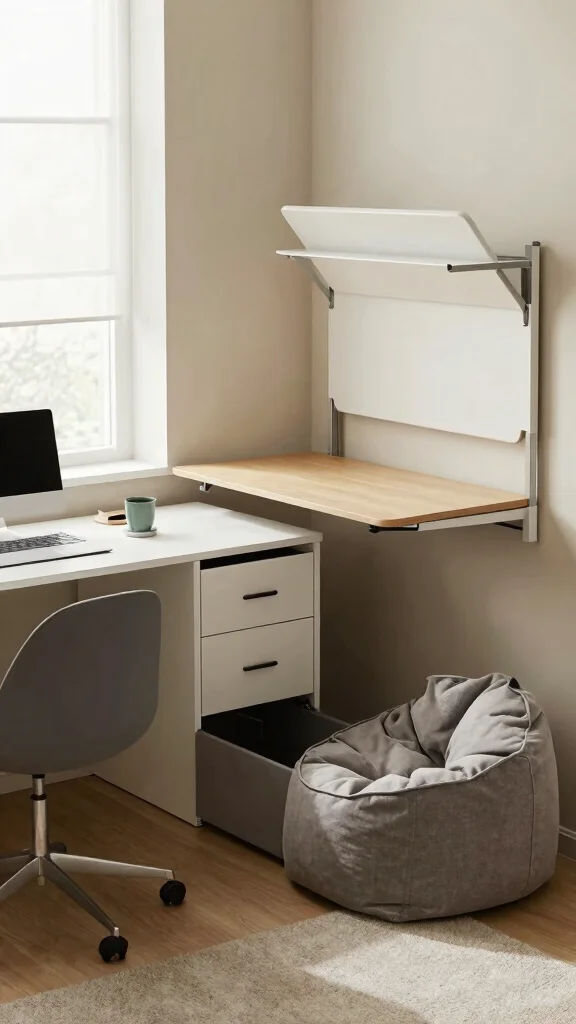
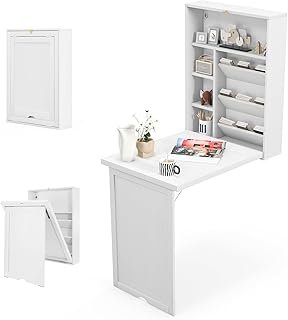
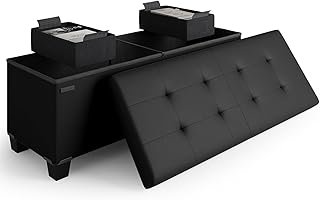
Multi-functional furniture is an excellent investment for maximizing your study space. Look for desks with built-in storage or a chair that doubles as a storage solution. This furniture not only helps minimize clutter but also allows you to keep essential items close at hand, making your workspace more efficient.
When shopping, consider visiting local thrift shops or online marketplaces for affordable yet stylish options. This approach aligns with the growing trend of sustainability in home decor, allowing you to curate a functional environment without breaking the bank.
Incorporate these suggestions:
– Choose a desk with drawers for added organization.
– Use ottomans with hidden storage to save space.
– Opt for wall-mounted desks that fold away when not in use.
Selecting versatile furniture creates an efficient study environment, enhancing your focus and productivity.
Invest in Multi-functional Furniture
Editor’s Choice

4. Create a Minimalist Desk Setup

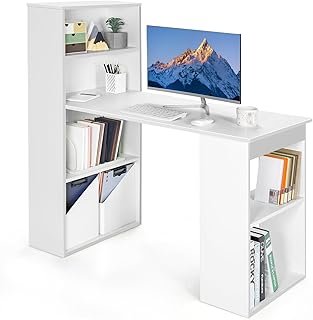
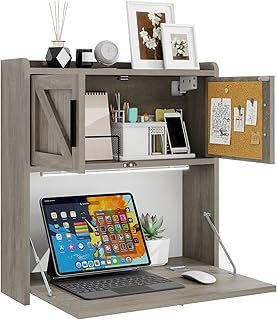
Your desk is the heart of your study room, so a minimalist setup is vital for maintaining focus. Clutter can easily distract you, so aim for a layout that features only the essentials: your computer, a notepad, and a few pens. Avoid overloading the desk with unnecessary items that can divert your attention.
To achieve this look, consider using storage solutions that keep your workspace clean and organized. A minimalist desk setup not only aligns with current design trends but also fosters a productive atmosphere.
Here are some tips for maintaining a minimalist desk:
– Limit decorative items to one or two inspiring pieces.
– Use cable management solutions to hide cords.
– Consider a stylish desk mat to add personality without clutter.
A tidy desk setup significantly impacts your focus, creating a peaceful and orderly environment for your work.
5. Organize with Clear Containers
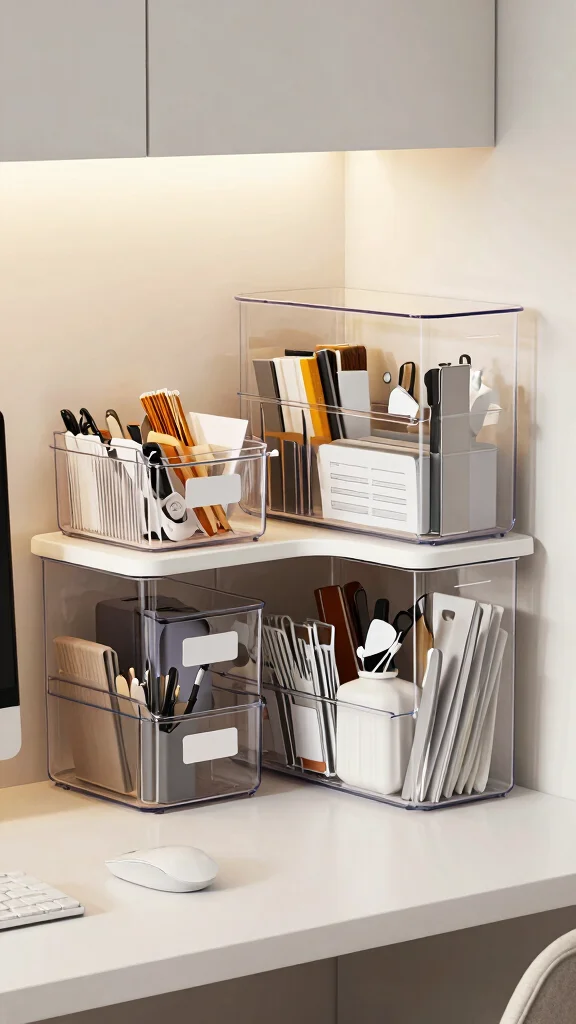
Clear containers offer a practical way to keep your study area tidy while allowing you to see what you have at a glance. This method is especially effective for organizing office supplies, stationery, or even books. Stackable bins can save space and make it easy to locate items quickly, promoting efficiency in your studies.
For a budget-friendly option, look for clear storage at discount stores or repurpose containers you already own. This approach not only supports a minimalist aesthetic but also simplifies your organizational system.
Consider these suggestions:
– Label each container for easy identification.
– Use various sizes to customize your storage.
– Incorporate clear bins into bookshelves for a streamlined look.
This organization method combines style with functionality, helping you maintain a clean and minimalist vibe.
6. Prioritize Natural Light
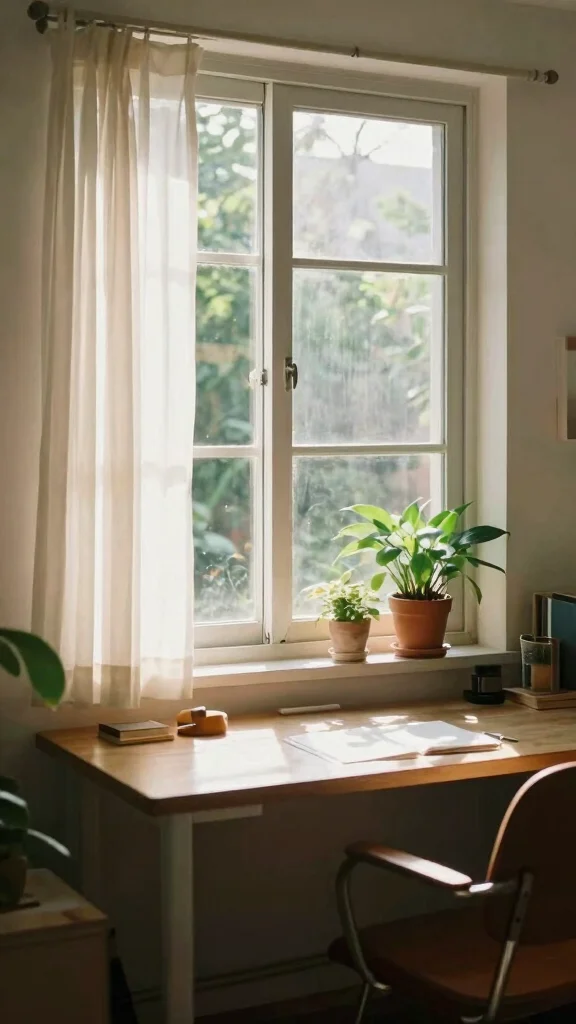
Natural light is crucial for cultivating a productive study environment. Positioning your desk near a window allows you to benefit from sunlight, which can uplift your mood and enhance focus. If windows are limited, mirrors can effectively reflect light and create an illusion of a brighter space.
To maximize natural light, consider using sheer curtains that filter sunlight while still providing privacy. This not only brightens the room but also adds a soft touch to your decor.
Here are some ideas to enhance natural light:
– Use sheer curtains to allow sunlight while maintaining privacy.
– Choose light-colored walls to amplify brightness.
– Add plants to your windowsill for a refreshing touch.
Incorporating these elements helps your study area feel inviting and uplifting, fostering a more productive atmosphere.
Fun fact: natural light can boost productivity by up to 25% and reduce eye strain. Position your desk near a window or use mirrors to boost daylight – one of the study room organization ideas that really work. Sheer curtains balance privacy with brightness, keeping your space calm.
7. Incorporate Inspirational Decor
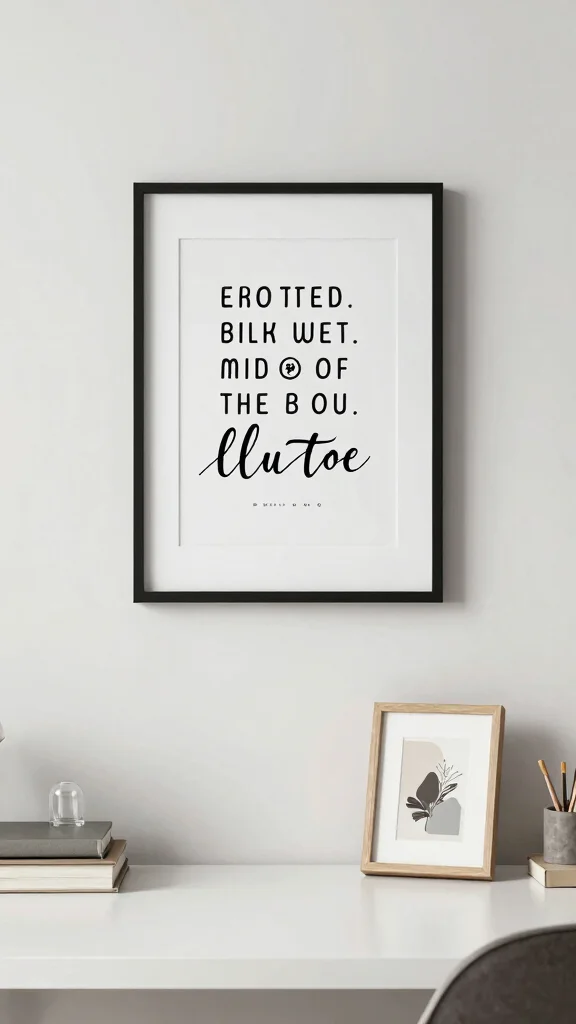
Minimalist decor can still reflect your personality and inspire creativity. Consider adding a framed photo, a quote print, or a piece of art that resonates with you. Selecting a few curated items can enhance your study environment without overwhelming the space, serving as daily motivation to keep you focused.
When choosing decor, opt for items that complement your color scheme and fit within your minimalist aesthetic. This approach ensures your space feels cohesive and personal.
Consider these tips for selecting decor:
– Limit yourself to one or two significant pieces.
– Coordinate colors with your overall palette for harmony.
– Place items at eye level for maximum impact.
By adding personal touches, you create a unique space that inspires while maintaining a minimalist vibe.
Fun fact: a minimalist study space with 3 carefully chosen decor items can boost focus by up to 25%. Choose a framed photo, a quote print, or a small piece of art that fits your color scheme. This keeps your study room organization ideas cohesive and inspiring.
8. Keep Your Cables Organized
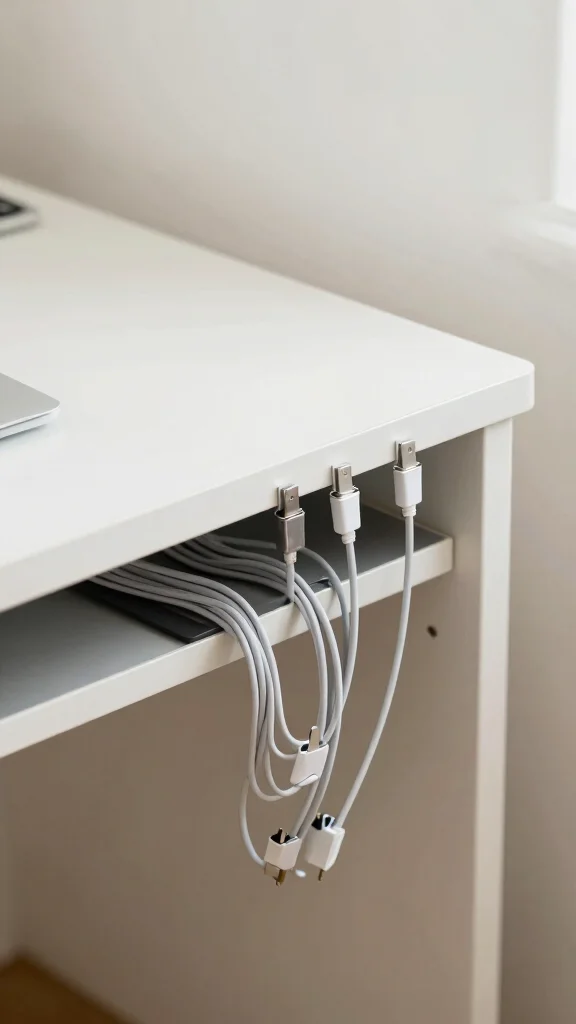
Cables can quickly become a source of chaos in your study area, distracting you from your work. Investing in cable organizers or clips is essential for keeping cords untangled and out of sight. Solutions like cable trays or adhesive clips can be attached under your desk for a cleaner look.
To simplify cable management, consider using color-coded ties for easy identification or hiding cables behind furniture. This not only makes your workspace look neater but helps you stay focused on your tasks.
Try these suggestions:
– Use color-coded ties for quick recognition.
– Hide cables behind furniture for a tidier appearance.
– Label cables to easily identify devices.
A neat environment fosters concentration, ensuring your mind stays free from distractions.
9. Create a Distraction-Free Zone
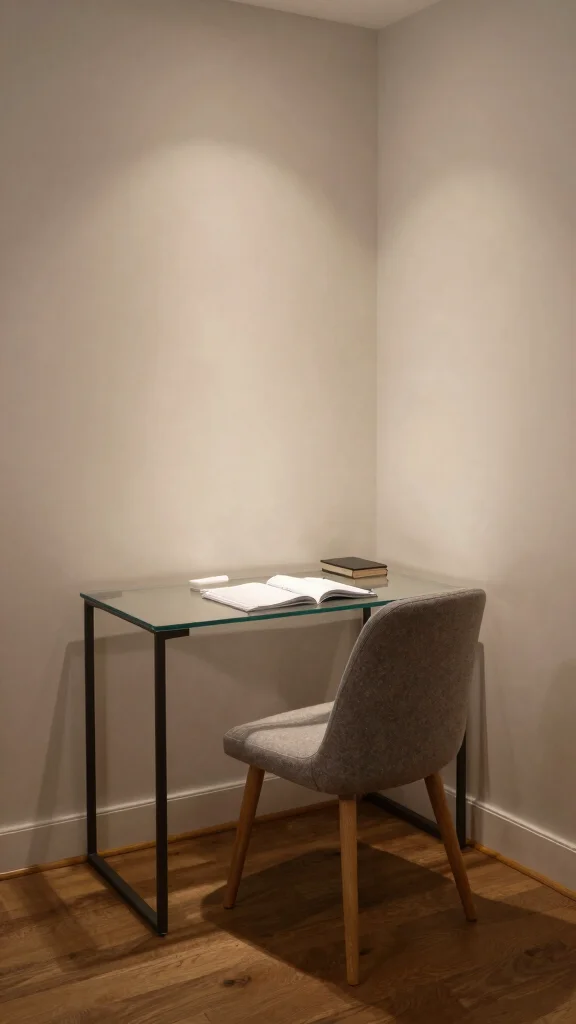
Designating a specific area for studying is essential for creating a distraction-free zone. Choose a quiet corner of your room that’s away from noise and other interruptions. Ensure this space is comfortable and stocked with all the materials you need for effective study sessions.
To minimize distractions, consider keeping personal items like your phone or gaming console out of sight while studying. Additionally, noise-canceling headphones can further enhance your focus, allowing you to immerse yourself in your work.
Here are some ideas for your distraction-free zone:
– Keep personal distractions out of sight when studying.
– Use noise-canceling headphones to minimize interruptions.
– Ensure proper lighting to maintain focus.
By creating a dedicated study space, you train your mind to associate that area with productivity.
10. Use a Wall Planner or Calendar
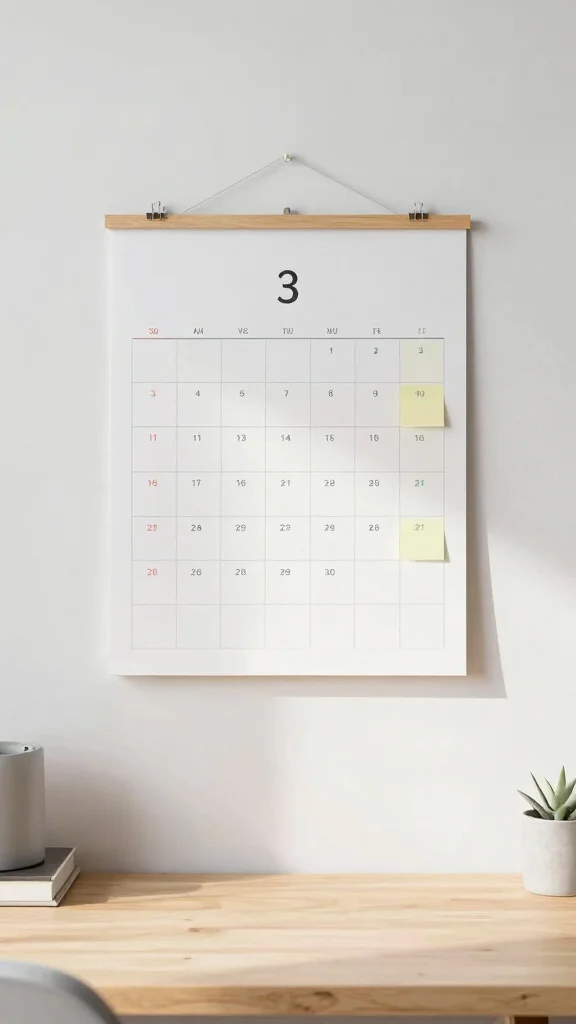
A wall planner or calendar is a practical tool for staying organized. This visual aid helps you track important deadlines, appointments, and study schedules. Opt for a minimalist design that complements your study area without overwhelming it.
Consider a whiteboard for easy updates or use washi tape to add color without permanent commitment. Regularly updating your planner can keep you accountable and focused on your goals.
Here are some suggestions for utilizing a planner:
– Choose a whiteboard for flexible task management.
– Use washi tape for a creative touch.
– Make it a habit to update your planner regularly.
Having a central location for your schedule keeps your studies on track and organized.
11. Personalize with Plants
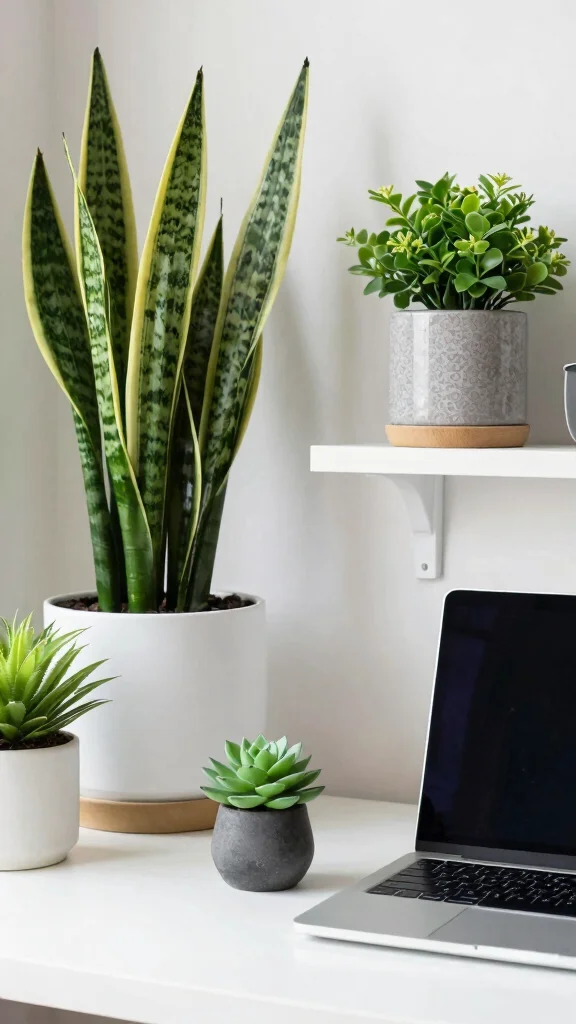
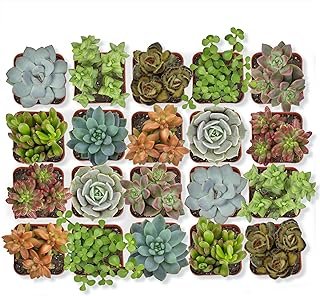
Incorporating plants into your study area not only beautifies the space but also improves air quality and enhances your mood. Opt for low-maintenance varieties like succulents or snake plants that thrive in various light conditions. Strategically placing them on your desk, shelves, or window ledges can add a refreshing vibe without overcrowding your workspace.
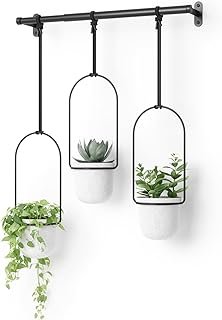
To maintain a cohesive look, choose decorative pots that fit your color scheme. Hanging planters can also save desk space while adding greenery.
Here are some tips for adding plants:
– Use decorative pots that match your decor.
– Consider hanging planters for space-saving options.
– Rotate plants regularly for fresh decor.
Incorporating greenery into your study room fosters a calming environment that boosts creativity.
Personalize with Plants
Editor’s Choice



12. Make Use of Drawer Organizers

Drawers can quickly become cluttered without proper organization. Using drawer organizers helps separate items into categories, making it easier to find what you need when you need it. Consider investing in adjustable dividers to customize the layout according to your supplies.
For a budget-friendly option, repurpose small containers or boxes to create sections for tiny items like paper clips and erasers. This method encourages cleanliness and efficiency in your workspace.
Try these suggestions for drawer organization:
– Sort items by type: pens, paper, chargers, etc.
– Use small containers for tiny items like clips.
– Label sections for quick identification.
Organized drawers contribute to a cleaner workspace, allowing you to focus on your studies with minimal distractions.
Fun fact: well-arranged drawers with drawer organizers can cut your search time by up to 50%. Adjustable dividers tailor pockets for pens, clips, and erasers, turning chaos into calm—perfect for minimalist study room organization ideas.
13. Keep Your Study Area Inviting
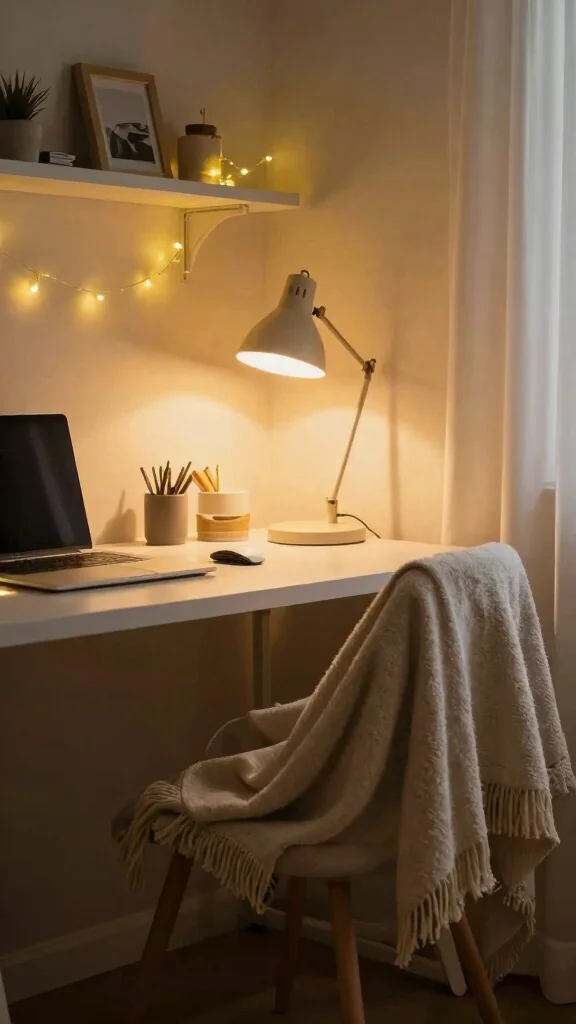
Finally, your study area should feel warm and inviting. Personal touches like a cozy throw blanket, soft lighting, or a comfortable chair can create a space you genuinely enjoy spending time in. The more welcoming the atmosphere, the more likely you are to use the space consistently.
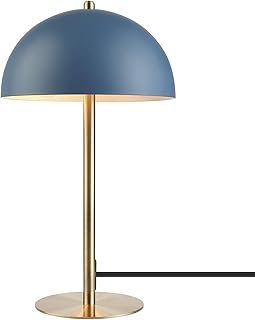
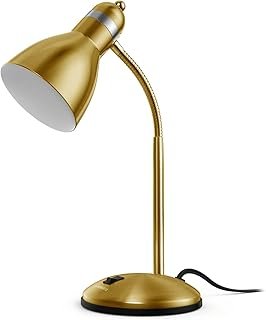
Incorporate soft lighting options like fairy lights or stylish desk lamps to enhance the warmth. A comfortable chair that supports good posture is essential for long study sessions, while personal items that make you smile can make the environment feel uniquely yours.
Consider these tips for an inviting study area:
– Use soft lighting like fairy lights for ambiance.
– Choose a comfortable chair that promotes good posture.
– Add personal touches that bring joy.
A warm and inviting room fosters creativity and productivity, making study sessions not only effective but also enjoyable.
Keep Your Study Area Inviting
Editor’s Choice



Conclusion
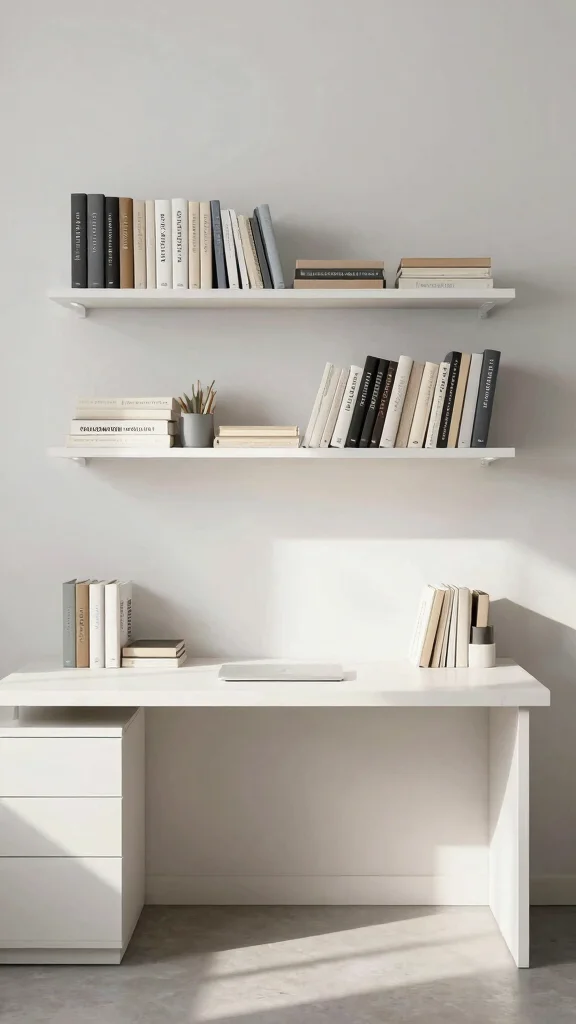
An organized study room can be your secret weapon against distractions. By implementing these minimalist study room organization ideas, you not only create a clean and functional space but also enhance your focus, boost your productivity, and inspire your creativity.
Remember, the goal is to design a room that feels uniquely yours while keeping it clutter-free. Don’t hesitate to adapt these ideas to suit your personal style and needs, and soon you’ll find studying becomes a more enjoyable experience.
Note: We aim to provide accurate product links, but some may occasionally expire or become unavailable. If this happens, please search directly on Amazon for the product or a suitable alternative.
This post contains Amazon affiliate links, meaning we may earn a small commission if you purchase through our links, at no extra cost to you.
Frequently Asked Questions
What are the top study room organization ideas to keep distractions away in a minimalist setup?
Here are practical, minimalistic moves you can start today: 1) Declutter the desk: keep only one lamp, one notebook, and one writing tool. 2) Choose a simple color palette (neutrals with one accent) to reduce visual noise. 3) Use hidden storage: a shallow drawer under the desk, a wall-mounted shelf with baskets. 4) Cable management: use a cable tray and cord clips to keep cords out of sight. 5) Define zones: a dedicated study surface, a small storage corner, and a charging station. 6) Lighting: add a task light with warm color temperature and avoid harsh overheads. 7) Minimal decor: a single plant or a framed quote to keep focus. 8) Routine: at the end of the day, clear the desk and reset. Bonus: choose furniture with clean lines to support study room organization ideas and minimalistic workspace aesthetics.
How can I use study space decor to boost productivity tips while keeping a calm, minimalist vibe?
Study space decor can do more than look nice—it can shape focus. Start with a calming color palette: whites, beiges, or soft grays with one muted accent. Use natural materials (wood, cotton) to add warmth. Create a dedicated task area with a simple whiteboard or corkboard for reminders (productive productivity tips). Keep surfaces clear: one notebook, one pen, one plant. Add functional decor like a wall-mounted notice board or magnetic strip instead of clutter. Ensure good lighting: a warm-toned desk lamp and ambient light to reduce eye strain. Finally, align decor with home office organization principles and study space decor ideas to support a calm, focused environment.
What practical home office organization tips work best for a small study area design?
Small spaces demand smart storage. Start with vertical solutions: wall-mounted shelves, pegboards, and over-desk organizers. Use multi-functional furniture: a desk with integrated drawers or a lift-top coffee table that doubles as a study surface. Hide cables with a cable management sleeve. Use under-desk storage or a rolling cart that fits beside your chair. Create a simple labeling system to keep papers tidy. Adopt a daily reset routine: 5 minutes to put things back, which ties into home office organization practices and study area design.
Which minimalist workspace ideas help minimize distractions without losing storage or style?
Minimalist workspace ideas to keep distractions away include limiting tech: place your phone in another room or use focus modes. The key is single-purpose tools: one notebook, one device for writing, one reference book. Establish a routine: same desk schedule, designated break times, a study room organization ideas workflow. Use hidden storage to reduce clutter, keep cables tucked away, and choose furniture with clean lines. Add a small plant to improve air and mood but avoid over-decorating. With minimalistic workspace principles, you can maintain a stylish look without sacrificing storage or focus.
How do I plan a study room that balances aesthetics and function for long study sessions?
Plan with intention: map your layout on paper first, noting outlet positions and window light. Choose ergonomic furniture—adjustable chair, desk height around elbow level. Lighting: warm desk lamp plus natural light. Set zones: a primary study surface, a break area (with a coaster), storage zone, and display wall with only one or two items. Build a simple storage system (binders, folders) with labeled categories. Create a weekly review to keep the space aligned with study room organization ideas and home office organization.
Related Topics
home decor
study room organization
minimalist design
productivity tips
home office organization
study space decor
clutter-free workspace
easy organization
workspace inspiration
minimalist workspace
beginner friendly
functional design