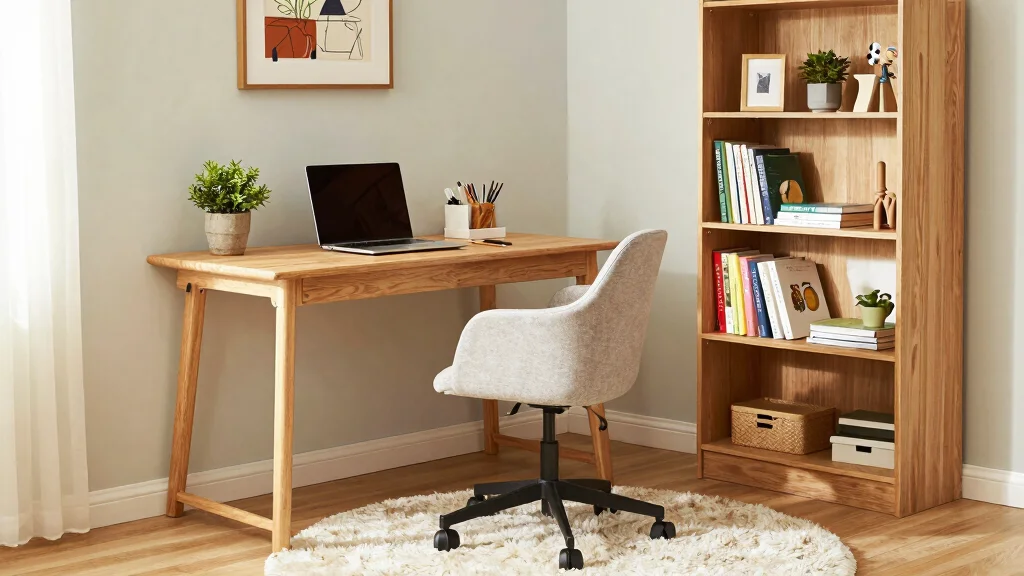
Creating the perfect study room can feel like a serious challenge, especially when space and style are at a premium. This journey of crafting a cozy and functional study area has become my latest obsession. I’ve been on the lookout for furniture ideas that not only promote comfort but also offer smart storage solutions and a touch of personal style. If you’re like me and want to make your study nook feel inviting while staying organized, you’re in the right place.
This post is designed for anyone looking to enhance their study space with furniture that meets their needs. Whether you’re a student cramming for exams, a professional working from home, or simply someone who loves to read, a well-furnished study room is vital for productivity and relaxation. I’ve gathered 13 furniture ideas that are practical, stylish, and perfect for small spaces, making it easier for you to create an environment that inspires focus and creativity.
Get ready to explore a variety of options that will transform your study area into a haven of comfort and style. You’ll discover clever storage solutions, ergonomic study desks, and stylish bookshelf ideas that not only function well but also add character to your space. Whether you have a small corner or an entire room to work with, these tips will help you design a study area that feels just right.
Key Takeaways
– Focus on Ergonomics: Choose an ergonomic study desk that supports good posture to enhance comfort during long study sessions.
– Multifunctional Furniture: Look for furniture pieces that serve multiple purposes, such as a desk with built-in shelves, to maximize space efficiency.
– Stylish Bookshelf Ideas: Incorporate stylish bookshelf designs that not only store your books but also serve as decorative elements in the room.
– Smart Storage Solutions: Utilize compact storage options like under-desk drawers or wall-mounted shelves to keep your study area organized without taking up too much space.
– Personal Touches Matter: Add personal touches, like cozy decor or seasonal items, to make your study room feel warm and inviting, enhancing your overall productivity.
Recommended Products
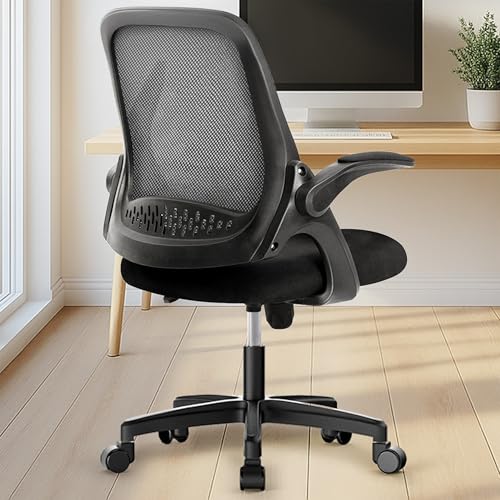
Breathable Mesh & Back Support – Elastic mesh keeps air flowing and offers gentle support, while the contoured backrest promotes upright posture and stability.

Spacious Desktop for Productivity: Maximize your workflow with our 40" x 24" dual-panel desktop. This electric standing desk offers an expansive, sturdy surface for multiple monitors, laptops, and accessories, supporting an organized and efficient workspace for professionals and gamers seeking an ergonomic upgrade to enhance focus and output

Wide Compatibility: Compatible with all devices from 3.5-12.9 inch, such as iPad 10th generation, iPad Air 5/4, iPad 10.2, iPad Pro 11/12.9, iPad mini 6/5, Samsung Tab A9 Plus/Kindle, , iPhone 17 Pro Max /iPhone Air and more
1. Ergonomic Study Desk
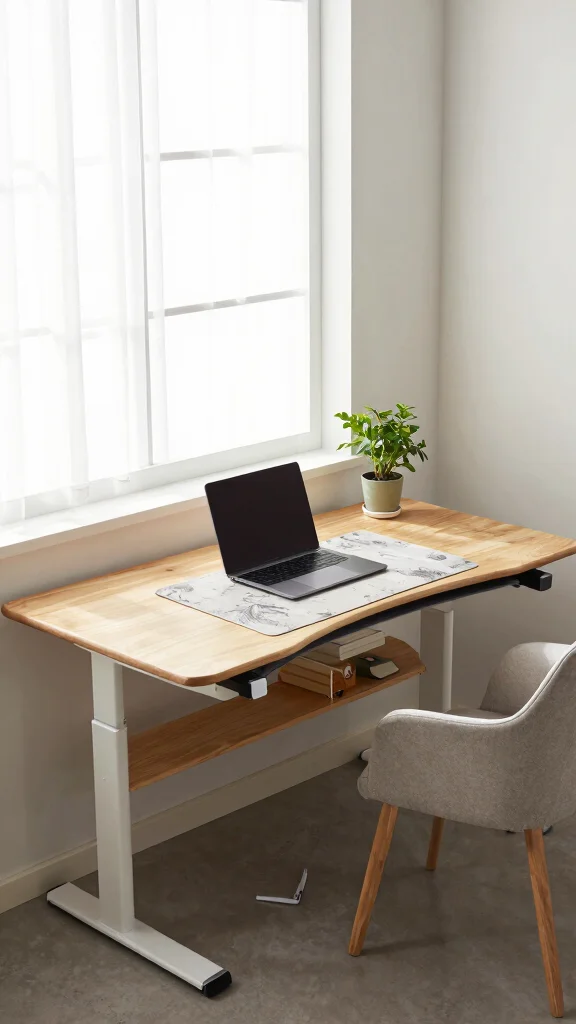
An ergonomic study desk is a game changer for comfort and productivity. By promoting proper posture, these desks help you stay focused during long hours of study. Look for options with adjustable heights, allowing you to switch between sitting and standing, which can alleviate tension in your back and neck while boosting your energy levels.
Choose a sleek design that complements your space. Minimalistic desks with clean lines can enhance your room’s aesthetics without making it feel cluttered. Features like built-in cable management and integrated storage provide functionality, helping you keep your essentials organized while contributing to the overall style.
Consider these elements to enhance your study experience:
– Pair an adjustable desk with a comfy ergonomic chair.
– Use a desk surface made of easy-to-clean materials.
– Install a wall-mounted desk to save floor space.
Investing in an ergonomic desk not only improves your comfort but also creates a more productive environment for your studies.
Fun fact: an ergonomic study desk with adjustable heights can boost focus by up to 25% during long study sessions. Switching between sitting and standing reduces neck tension and makes your study room furniture feel more comfortable and efficient.
Recommended Products

[Quadruple Functional Desk] Our desk combines computer desk + tree-shaped bookshelf + printer stand + 3 drawer into one. Created as a multi-functional workstation, it can be used as a computer desk, office desk, writing desk or gaming desk, suitable for any small space

For Small Space : Size:75×45×76cm/29.5×17.7×30in. (LxWxH), this practical computer desk downsizes for space but ups the functionality for home office, bedroom, living room or limited space.
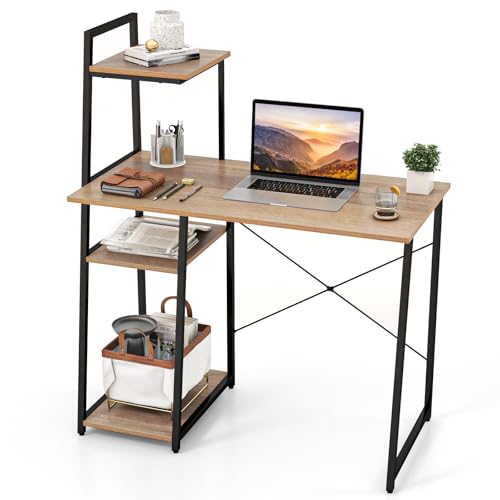
Versatile 2-in-1 Design: This small computer desk combines the functions of an office desk and a bookshelf seamlessly. It’s an ideal choice for those who need a functional workspace that also accommodates their reading materials and office essentials.
Ergonomic Study Desk
Editor’s Choice

Ergonomic Mesh Office Chair – 3D Adjustable Lumbar Support & 3D Armrests…
 Amazon$169.99
Vari Classic Electric Standing Desk – VariDesk Height Adjustable Sit/Sta…
AmazonCheck Price2. Multifunctional Furniture
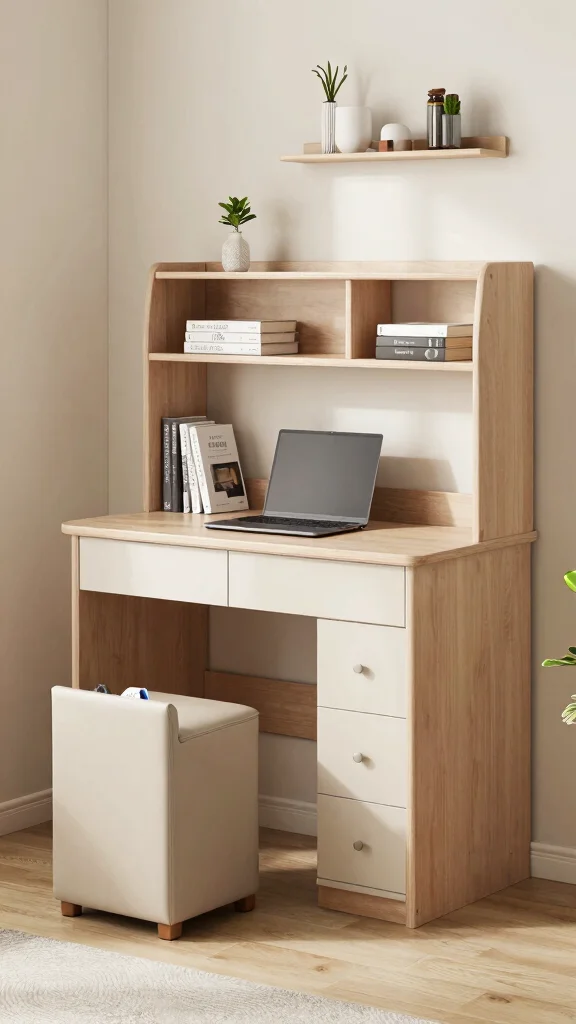
Multifunctional furniture is essential for maximizing small study spaces. Look for pieces that serve multiple purposes, such as desks with built-in shelves or chairs that provide hidden storage. This clever use of furniture helps you keep your area organized while making the most of your limited space.
For instance, a desk with drawers can eliminate the need for a separate filing cabinet, maintaining a clean appearance. Benches or ottomans that open up for storage can double as seating, perfect for stowing away books or supplies.
Explore these practical ideas:
– Choose a foldable desk that can be stored away easily.
– Incorporate chairs that combine comfort with storage solutions.
– Use decorative bins to organize smaller items creatively.
With multifunctional furniture, you can create a stylish and organized study environment that feels spacious and inviting.
Did you know multifunctional study room furniture can add up to 30% more usable space? Choose desks with built-in shelves and storage benches to hide clutter, turning every square foot into something practical. With study room furniture that serves double duty, you’ll stay organized and comfy.
Recommended Products

𝐂𝐨𝐦𝐟𝐨𝐫𝐭𝐚𝐛𝐥𝐞 𝐒𝐢𝐭𝐭𝐢𝐧𝐠 𝐄𝐱𝐩𝐞𝐫𝐢𝐞𝐧𝐜𝐞: High-back ergonomic chair fits body curves. High-density sponge cushion is soft, preventing fatigue during long sitting. Soft lumbar pillow relieves lower back pain for sedentary users
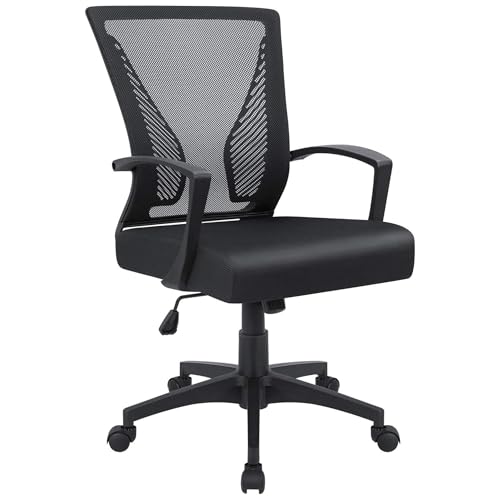
Ergonomic Design: The overall design of this office chair is ergonomic, two lumbar supports on the backside of the chair back are not only for beautiful looking, when you lean in the chair, it feels comfortable like two hands are supporting your waist, with a slightly concave design on the cushion, this chair can effectively relieve the back pain that caused by long hours of sitting, this will be a very wonderful experience for your use
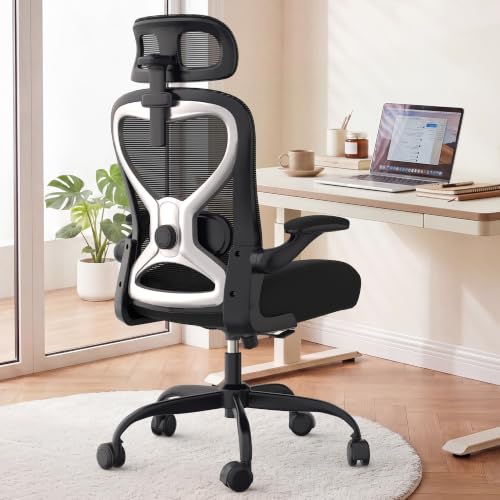
【All-Day Comfort for Hips and Thighs】The virgin foam seat distributes weight evenly, providing long-lasting softness and resilience to prevent soreness even after 8+ hours of sitting.
Multifunctional Furniture
Editor’s Choice

DUMOS 30in Foldable Storage Ottoman Bench, Storage Chest, End of Bed Foo…
Amazon$21.58
Lufeiya Computer Desk with File Drawers Cabinet, 47 Inch Reversible Home…
Amazon$89.99
Casaottima 48 Inches Computer Desk with 8 Fabric Drawers, Modern Office …
Amazon$59.983. Stylish Bookshelf Ideas
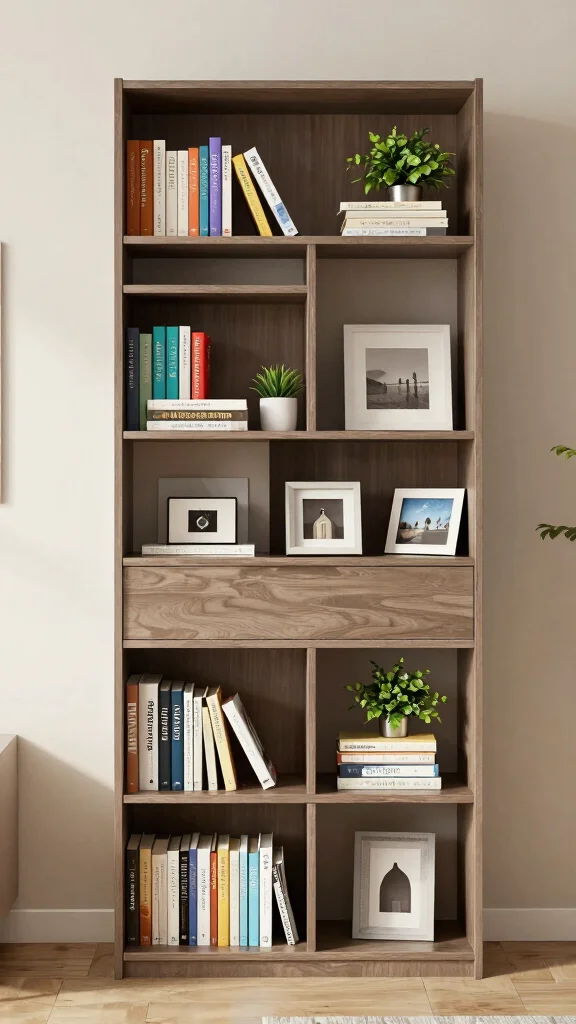
Bookshelves can be both functional and decorative in your study room. Opt for a stylish design that showcases your personality while providing space for your collection. Floating shelves are ideal for small rooms, adding a modern flair without consuming valuable floor space.
Choose open-back shelves to allow light to filter through, or a classic closed design for a more traditional feel. Mix in decorative items like plants and art to create a warm and inviting atmosphere.
Consider these tips for your bookshelf:
– Use vibrant bookends to add a playful touch.
– Integrate task lighting to highlight your favorite reads.
– Organize books by color for a visually striking display.
A well-styled bookshelf not only keeps your materials in order but also enhances the overall vibe of your study space.
Recommended Products
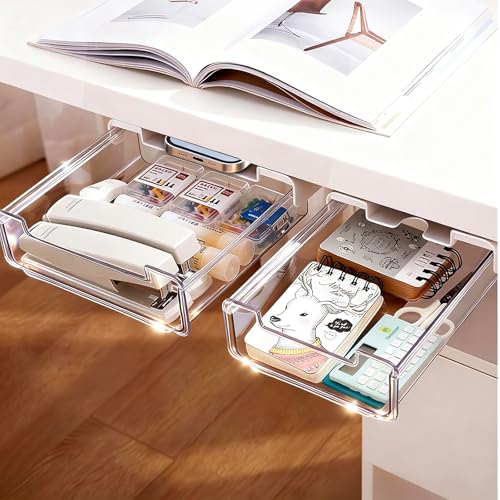
Self-adhesive or drilling assembly Under Desk Drawer Slide Out - Screws included! ✅Note: Important: Please clean the surface thoroughly and wait 24 hours before putting weight in the drawers if using the self-adhesive option. For heavy loads, please use the included screws.

Adjustable Dividers: Our drawer organizer comes with 4 removable dividers, allowing you to customize the space 4 different ways according to your needs. Store pens, sticky notes, gadgets, and more in a way that works best for you.

Adjustable Dividers: Our drawer organizer comes with 4 removable dividers, allowing you to customize the space 4 different ways according to your needs. Store pens, sticky notes, gadgets, and more in a way that works best for you.
4. Cozy Reading Nook
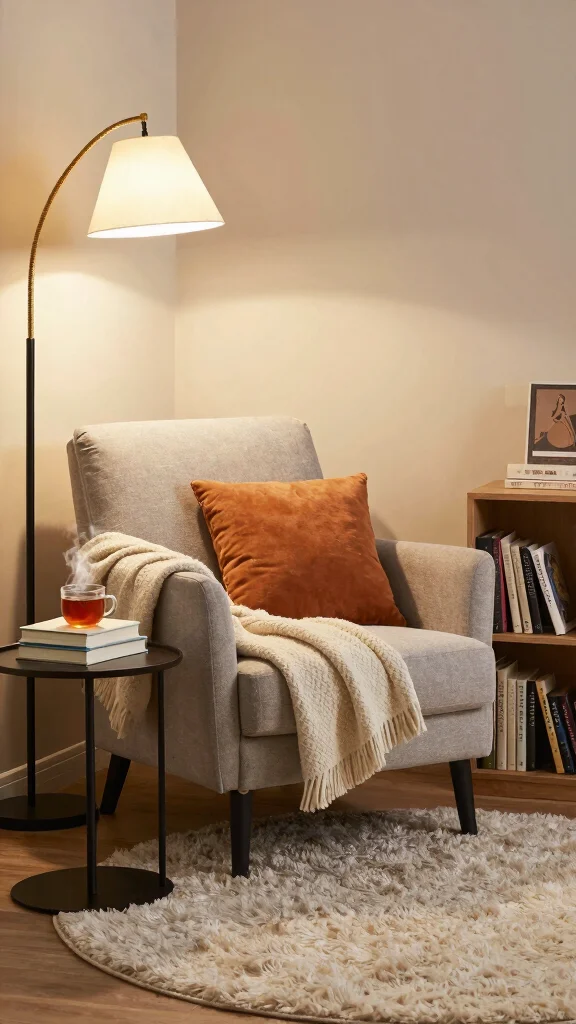
Creating a cozy reading nook in your study room can add warmth and comfort. A comfortable chair or loveseat, paired with soft throws and cushions, can be the perfect retreat for relaxation. This nook encourages you to take breaks and recharge your mind between study sessions.
If space allows, add a small side table for your favorite books or a warm beverage. Balance comfort with style by selecting a chair that complements your other furnishings while providing the support you need.
Enhance your nook with these ideas:
– Select a chair that offers good lumbar support.
– Use a plush area rug to define the reading area.
– Incorporate warm lighting to create a cozy ambiance.
A cozy reading nook can serve as a refreshing escape, making your study room feel inviting and comfortable.
Recommended Products

SAFE & STURDY NURSERY BOOKSHELF This Book Shelf for Kids Rooms Reinforced wall-mounted design with beads. Perfect for organizing kids' books, toys, and decor in nursery/playroom

[Functional Kid's Shelves] - These floating nursery book shelves add both style and storage functionality to any nursery or kids' room, making them a great addition to your home decor. In addition, they can be used upside down, with hangers for children's clothing storage.

【SPACE SAVING & LOOK NEATER】 4 pack acrylic shelves for wall provide multi-layer storage, allowing you to utilize wall space more efficiently. You can conveniently store everything while keeping your room organized. It's a great space-saving wall organizer!
5. Creative Desk Organization
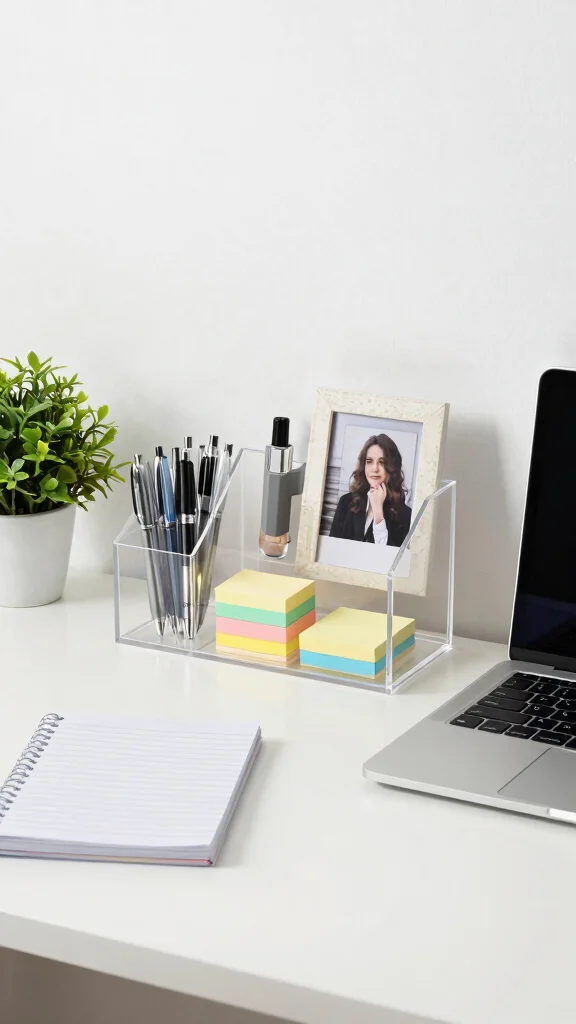
A well-organized desk is crucial for productivity. Stylish desk organization solutions can help you maintain a tidy workspace. Consider drawer organizers, file holders, and desktop trays that match your decor. These accessories keep your items in check while adding a touch of personality to your setup.
Clear acrylic organizers offer a modern vibe, while wooden or wicker options add warmth. Keep frequently used items within easy reach to streamline your study sessions.
Implement these organization strategies:
– Label storage items to quickly find essentials.
– Use color-coded files to sort papers and notes.
– Regularly declutter your desk to keep it inviting.
With creative desk organization, a tidy workspace can significantly boost your focus and creativity during study time.
Recommended Products

Smart Electric Height Adjustment: Experience effortless, quiet transitions with our electric standing desk. Featuring 3 programmable memory presets and a wide 28.7" to 46.5" height range, the ultra-quiet motor (<50 dB) allows you to switch positions without disrupting workflow. This key ergonomic feature encourages movement, boosting productivity and comfort for home office and gaming setups, directly addressing buyer desires for seamless adjustability

BREATHABLE MESH BACK: 100% ventilated mesh back promotes airflow to keep you cool and comfortable during long hours of sitting, ideal for home offices and workspaces, and daily use.

Premium Comfort & Quality Material - Crafted with durable faux leather and high-density foam cushioning, this modern office chair delivers long-lasting comfort for all-day computer work, desk tasks, and video meetings. The 14.2inch ergonomic padded backrest perfectly supports your lower back and spine, promoting a healthy sitting posture and relieving back fatigue from prolonged sitting
6. Functional Lighting Solutions
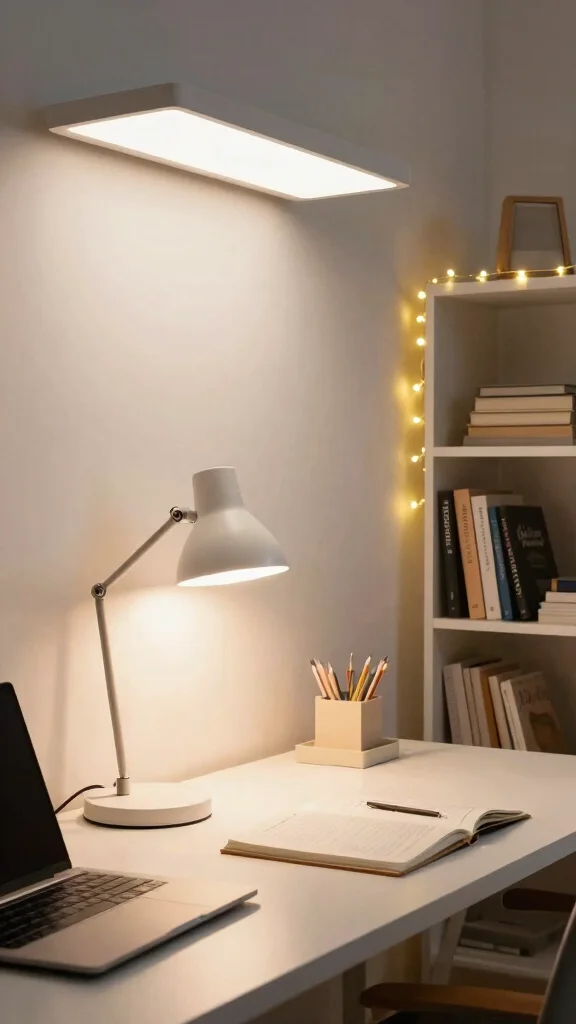
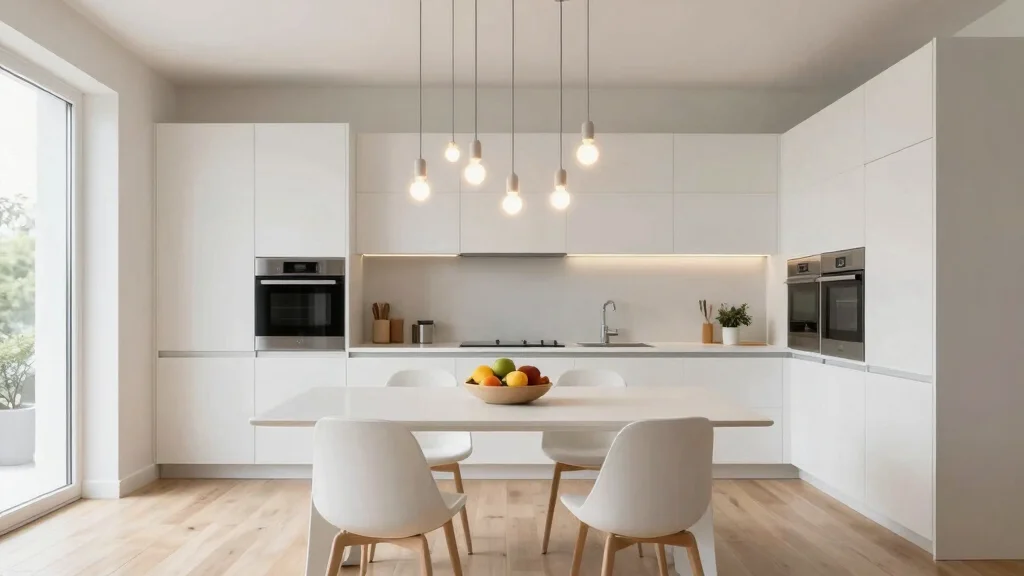
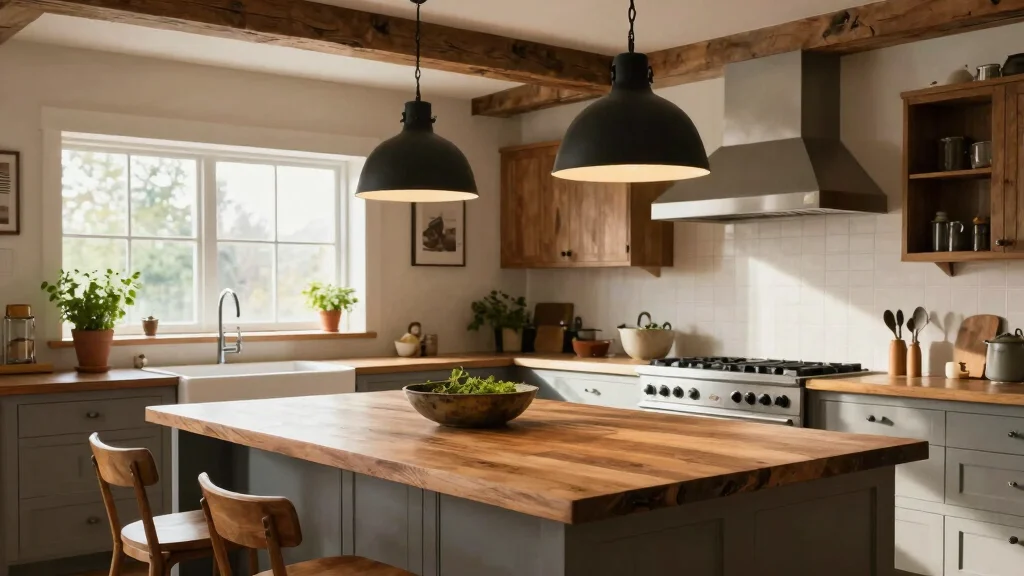
Proper lighting is vital in a study room, especially in compact spaces. Layering different lighting types can enhance your study experience. Start with ambient lighting, such as overhead fixtures, and add task lighting with stylish desk lamps that direct light where it’s needed.
Dimmable lights offer flexibility, allowing you to adjust brightness to fit your study sessions. Warm light bulbs create a cozy atmosphere that encourages focus and comfort.
Consider these lighting tips:
– Choose lamps that match your furniture style.
– Use clip-on lights for bookshelves to highlight areas.
– Add fairy lights for a whimsical ambiance in your nook.
Thoughtful lighting not only improves visibility but also positively influences your mood and productivity.
Recommended Products

【Stylish Modern Design】This desk with shelves features curved U-shaped metal legs and simple, handle-less drawers, adding a modern touch to any space. Perfect for a home office, bedroom, or living room—it's ideal for work, study, or gaming

Foldable & Space-Saving :Folding desk for small spaces that folds flat to just 32.28”L x 9.84”W x 47.4”H, saving valuable floor space. This desk with hutch is perfect for apartments, bedrooms, or dorms while still providing a full workspace

GRYFFINDOR MAGIC FOR YOUR BOOKSHELF – Keep your books in spellbinding order with these Harry Potter metal bookends featuring the iconic Gryffindor crest. A must-have for fans of the Wizarding World, these decorative book holders add a touch of Hogwarts pride to your home, office, or study space. Perfect for organizing textbooks, novels, or your Harry Potter collection!
Functional Lighting Solutions
Editor’s Choice


You might also like
7. Personal Touches
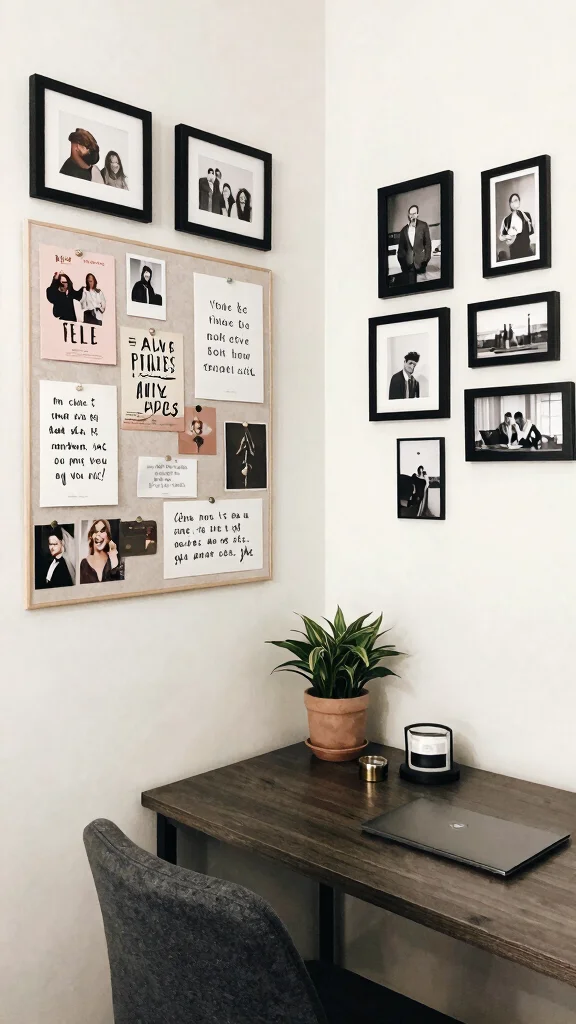
Personal touches can transform your study room into a space that reflects you. Incorporate artwork, photographs, or mementos that inspire creativity. A vision board filled with goals or quotes can provide daily motivation while adding color to your walls.
Using bulletin boards or magnet boards can creatively display personal items. Choose colors and themes that align with your decor for a cohesive look.
Enhance your space with these ideas:
– Rotate personal items regularly to keep things fresh.
– Use matching frames for a polished appearance.
– Avoid cluttering your workspace with too many decorations.
Creating a personalized study room can inspire focus and creativity, making it a unique and functional environment.
Recommended Products
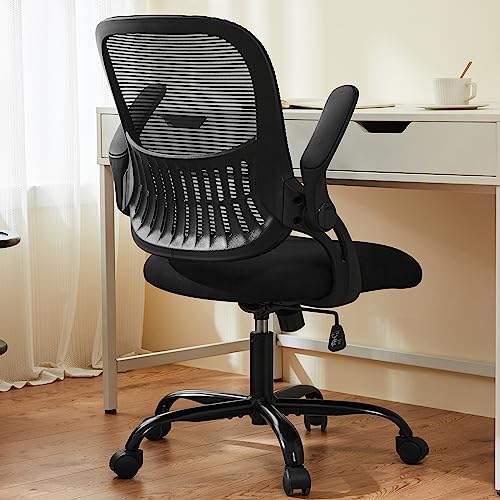
𝐄𝐫𝐠𝐨𝐧𝐨𝐦𝐢𝐜 𝐋𝐮𝐦𝐛𝐚𝐫 𝐒𝐮𝐩𝐩𝐨𝐫𝐭: The ergonomically designed backrest of our ergonomic office chair has prominent lumbar support to fit the natural curvature of the spine. The Computer Desk Chair with mid-back brings quality and comfort to any office
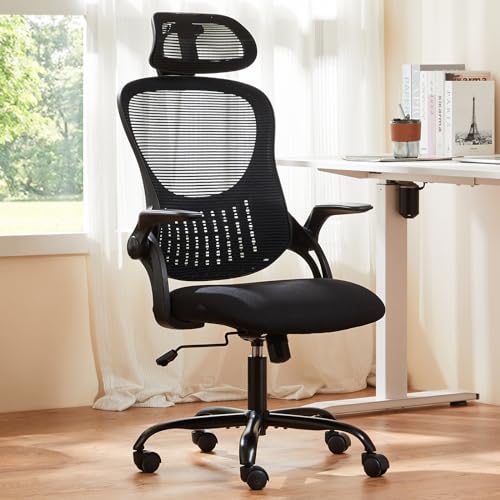
Ergonomic Lumbar Support: The contoured backrest features prominent lumbar support that follows the natural curve of your spine, providing targeted relief where you need it most, relieving pressure and promoting healthier posture. A quality high-back desk chair built for all-day comfort in any office

For convenience and durability, we upgraded and lengthened the straps to fit more chairs instead of adding extra extension straps.
Dimensions & Size Guide
Standard Sizes & Measurements:
When planning your study room, understanding standard sizes is crucial. Here are some common dimensions for key study room furniture pieces:
– Ergonomic Study Desk: Typically, these desks are around 48-72 inches wide and 24-30 inches deep. For comfortable use, choose desks with a height of 28-30 inches. If you’re using a chair with a cushion, ensure that it fits well under the desk, allowing at least 24 inches of clearance.
– Bookshelves: Standard bookshelves come in heights from 30 to 72 inches and widths from 24 to 36 inches. Consider a shelf depth of 10-12 inches for most books. To ensure stability, leave about 12 inches of space above the top shelf, especially if you plan to stack items.
– Comfortable Chair: A good study chair should have a seat height of 18-20 inches from the ground. This height suits most desks. The width should be around 18-22 inches for comfort. If you intend to spend long hours sitting, make sure to factor in ample back support.
– Compact Storage Solutions: For storage units, look for a width of 18-24 inches and a depth of about 12-16 inches. This size fits well in smaller spaces without overcrowding.
Quick Reference Table:
Here’s a simple comparison table for quick reference:
Size/Dimension – Best for: [use case], Minimum space needed: [measurement]
– 48-72 inches wide – Ergonomic Desk, Minimum space needed: 4 feet (width)
– 30-72 inches tall – Bookshelves, Minimum space needed: 6 feet (height)
– 18-20 inches high – Comfortable Chair, Minimum space needed: 3 feet (height clearance)
– 12-24 inches wide – Compact Storage, Minimum space needed: 2 feet (width)
Space Planning Tips:
Planning your study space effectively can make a huge difference. Here are some practical tips:
1. Measure Twice, Place Once: Always measure your space before purchasing furniture. Mistakes in measurement can lead to overcrowded or awkward setups.
2. Keep Traffic Flow in Mind: Ensure there’s at least 3 feet of walking space around furniture. This allows for easy movement without bumping into things.
3. Consider Vertical Space: If you have a small room, think about vertical storage options like wall-mounted shelves. This can keep your floor clear and give you more room to work.
4. Try Before You Buy: If possible, test out chairs and desks in-store. Comfort is key, especially for your ergonomic study desk and chair combination.
5. Account for Accessories: When planning dimensions, include your study room accessories like lamps, organizers, and decorative items. They can take up more space than you realize.
Pro Tip: The most important measurement to consider is the height of your desk in relation to the chair. You want your elbows to be at a 90-degree angle while typing. If your chair is adjustable, ensure that it can accommodate different desk heights comfortably!
Recommended Products
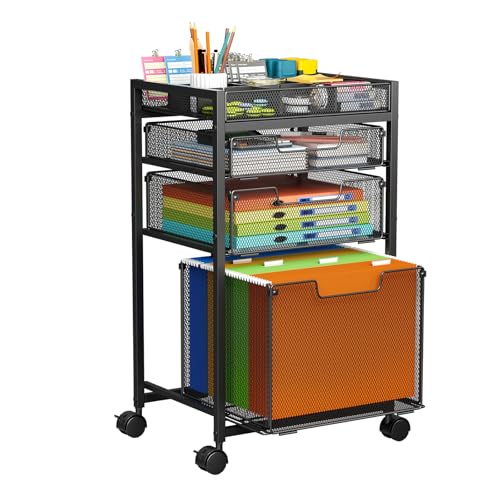
LETTER SIZE OR A4 STORAGE: Our filing cabinets keep files, documents, books and other office supplies organized. Large drawer is especially designed for hanging folders of Letter size, improves your work efficiency at home or in the office.

Spacious & Versatile Storage: Organize effortlessly with our 5-drawer file cabinet, offering large capacity to declutter your space. Perfect for storing office supplies, accessories, crafts, and more. The versatile design includes a flat top surface for decor or quick-access items, making it a functional addition to any room

Large Capacity : Large and medium under desk drawers slide out , and its internal size is 13x9.8x2.7 inchs and 9.6x9.1x2.7 inches, which is enough to keep your small items in order
8. Compact Storage Solutions
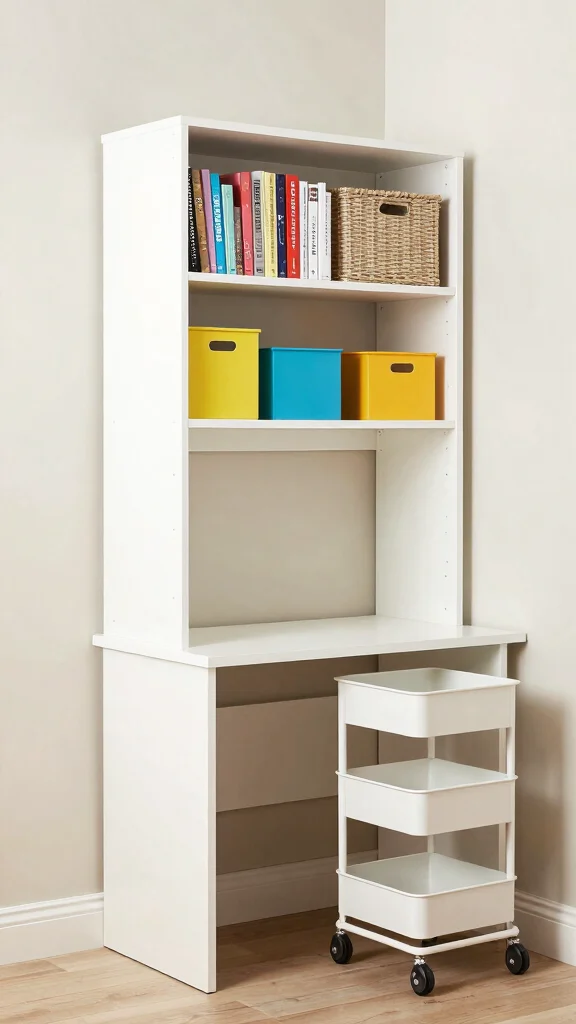
In small study rooms, effective storage solutions are essential for organization. Under-desk storage, like rolling carts or small cabinets, can provide extra space without taking up much room. Vertical storage options, such as tall bookshelves, help maximize wall space efficiently.
Using decorative boxes or baskets can enhance your decor while keeping items organized. Clearly labeling these storage solutions allows for easy access to your supplies.
Explore these compact storage ideas:
– Look for multi-tiered carts for mobile storage options.
– Choose stackable boxes to maximize vertical space.
– Regularly reassess your storage needs to minimize clutter.
Smart use of compact storage solutions ensures your study area remains tidy and inviting, creating a productive environment.
Fun fact: In compact study spaces, under-desk storage can reclaim up to 40% of usable floor space, and a tall bookshelf adds vertical storage without crowding the room. Small boxes and labeled bins make study room furniture both stylish and super practical.
Recommended Products

Space-Saving Design: This Book Shelf for Kids Rooms is wall-mounted, maximizing floor space while providing easy access to books and toys
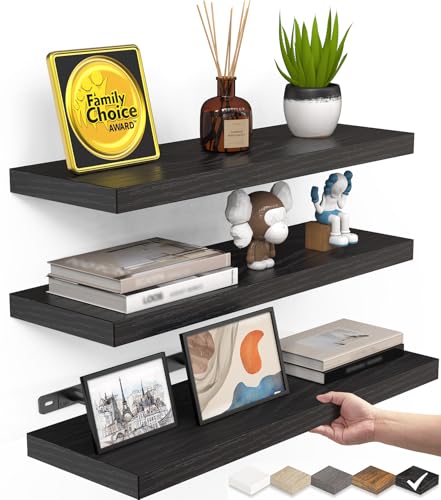
𝐌𝐨𝐝𝐞𝐫𝐧 & 𝐕𝐞𝐫𝐬𝐚𝐭𝐢𝐥𝐞 𝐒𝐭𝐲𝐥𝐞: The 𝐡𝐢𝐝𝐝𝐞𝐧 𝐛𝐫𝐚𝐜𝐤𝐞𝐭 𝐝𝐞𝐬𝐢𝐠𝐧 𝐠𝐢𝐯𝐞𝐬 𝐚 𝐜𝐥𝐞𝐚𝐧, 𝐟𝐥𝐨𝐚𝐭𝐢𝐧𝐠 𝐥𝐨𝐨𝐤 that works beautifully in modern, farmhouse, or classic decor styles, 𝐚𝐝𝐝𝐢𝐧𝐠 𝐰𝐚𝐫𝐦𝐭𝐡 𝐚𝐧𝐝 𝐬𝐭𝐲𝐥𝐞 without overwhelming your space, 𝐟𝐫𝐨𝐦 𝐭𝐨𝐢𝐥𝐞𝐭, 𝐨𝐟𝐟𝐢𝐜𝐞, 𝐥𝐚𝐮𝐧𝐝𝐫𝐲 𝐫𝐨𝐨𝐦, 𝐜𝐥𝐨𝐬𝐞𝐭, 𝐠𝐚𝐫𝐚𝐠𝐞, 𝐧𝐮𝐫𝐬𝐞𝐫𝐲, 𝐚𝐩𝐚𝐫𝐭𝐦𝐞𝐧𝐭, 𝐝𝐨𝐫𝐦, 𝐩𝐥𝐚𝐲𝐫𝐨𝐨𝐦, 𝐞𝐧𝐭𝐫𝐲𝐰𝐚𝐲, 𝐡𝐚𝐥𝐥𝐰𝐚𝐲, 𝐛𝐚𝐬𝐞𝐦𝐞𝐧𝐭, 𝐬𝐮𝐧𝐫𝐨𝐨𝐦 𝐭𝐨 𝐜𝐨𝐧𝐭𝐞𝐦𝐩𝐨𝐫𝐚𝐫𝐲 𝐥𝐢𝐯𝐢𝐧𝐠 𝐬𝐩𝐚𝐜𝐞𝐬
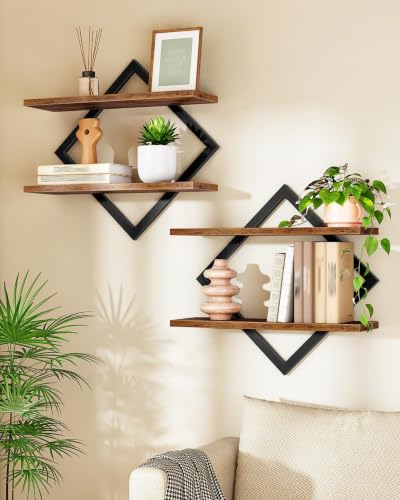
Chic Diamond Design, A New Space Vibe: This 2-piece floating shelves set, with its diamond-shaped iron tubes and double-tier design, offers a fresh visual delight for your home space. Its vintage industrial hue effortlessly complements your indoor decor
9. Color Palette Considerations
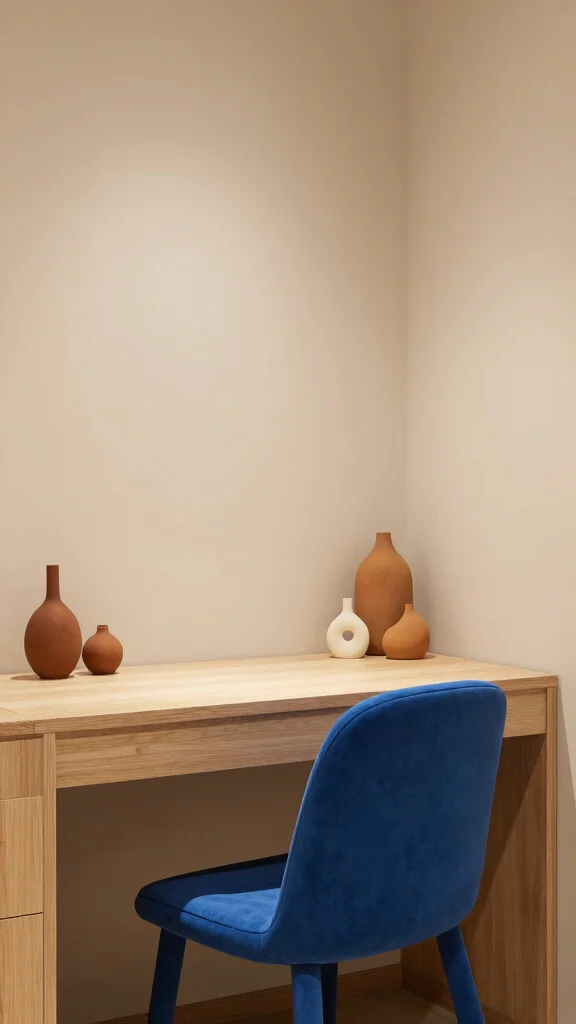
The color palette of your study room can greatly influence your mood and productivity. Soft, neutral colors such as whites, beiges, and pastels create a calming atmosphere, while vibrant colors like blues and greens can stimulate creativity.
In smaller spaces, light colors for walls can make the room feel larger. Add color through furniture and decor, like a bright chair or a striking piece of art, without overwhelming the area.
Consider these color strategies:
– Experiment with accent walls for a unique touch.
– Balance bright colors with softer tones in decor.
– Keep flooring neutral to maintain harmony.
A thoughtful color palette can transform your study room into an inspiring and welcoming space.
Color Palette Considerations
Editor’s Choice


10. Textured Materials
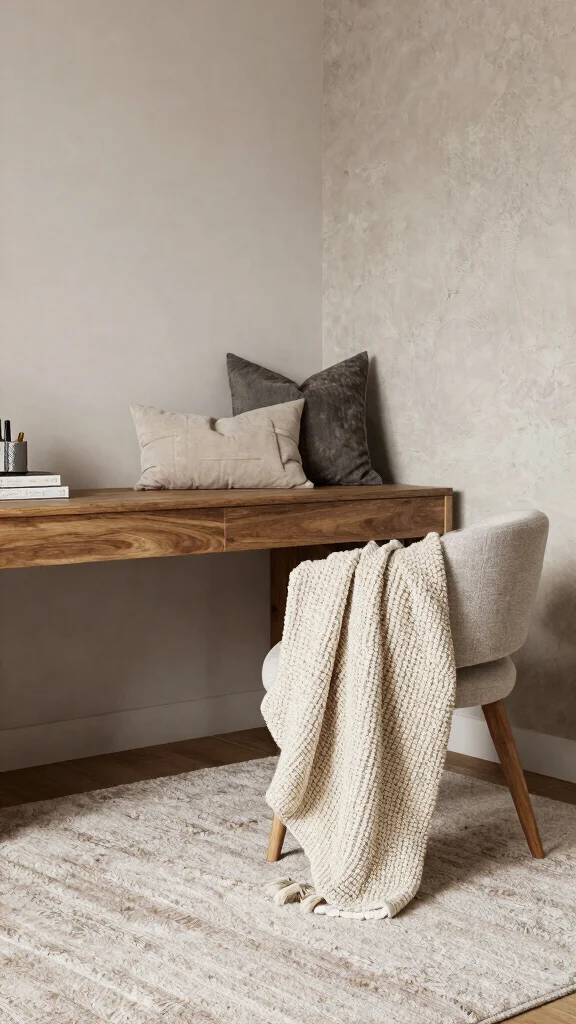
Incorporating various textures can elevate your study room’s design and make it more inviting. Textiles like soft throws, plush rugs, and patterned cushions add warmth and contrast to sleek desks and bookshelves.
Mixing materials, such as wood, metal, and fabric, creates depth and visual interest. For example, pairing a wooden desk with a metal lamp and a fabric chair offers a balanced, layered look.
Try these textural enhancements:
– Combine different textures in your decor for a dynamic effect.
– Use soft fabrics to improve comfort, especially in seating.
– Integrate natural materials like wood for added warmth.
Thoughtful texture incorporation can create a study room that feels cozy and stylish, making it a delightful space to work in.
You Might Also Like
11. Smart Technology Integration
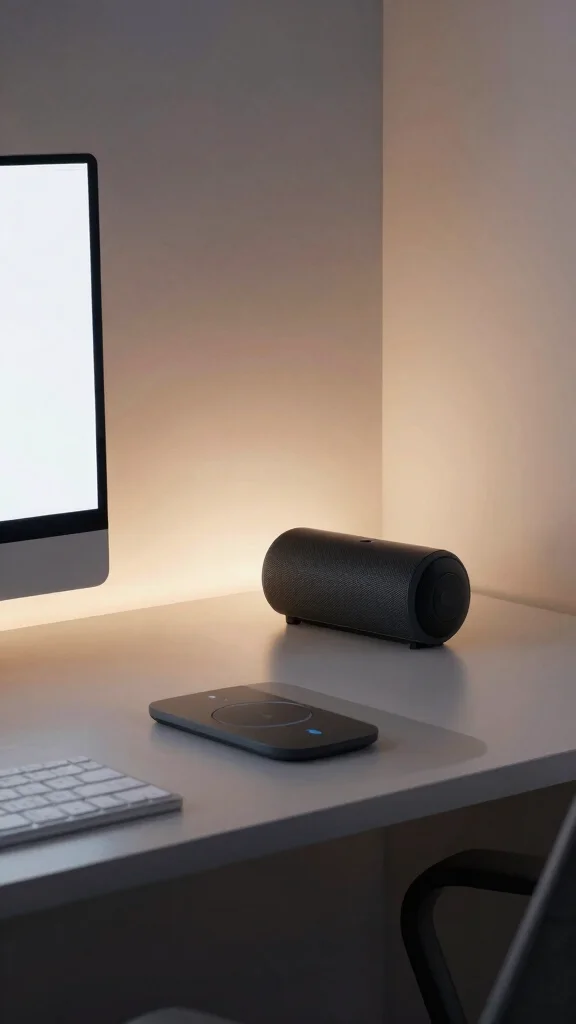
Incorporating smart technology can enhance the functionality of your study room. Wireless charging pads can declutter your desk by eliminating tangled cords. Smart speakers can assist with playlists or reminders, boosting your productivity.
Smart lighting allows you to adjust brightness and color temperature, creating the ideal atmosphere for studying. Some options can be controlled via your smartphone, adding convenience to your setup.
Consider these tech ideas:
– Explore apps to effectively manage your study schedule.
– Use cable management tools to organize cords neatly.
– Choose devices that fit seamlessly with your decor.
Smart technology can transform your study room into an efficient and stylish environment, maximizing your productivity.
12. Natural Elements
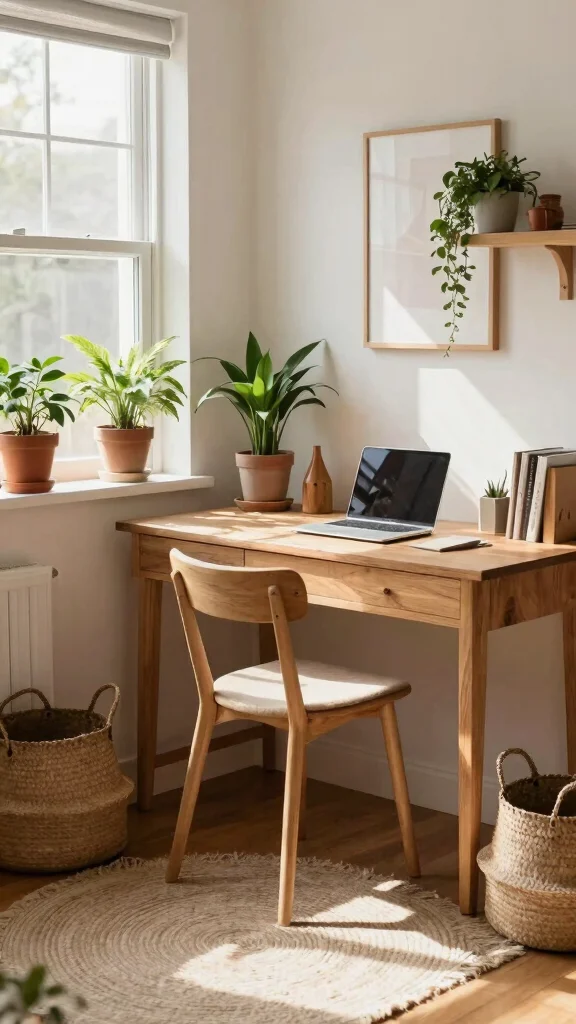
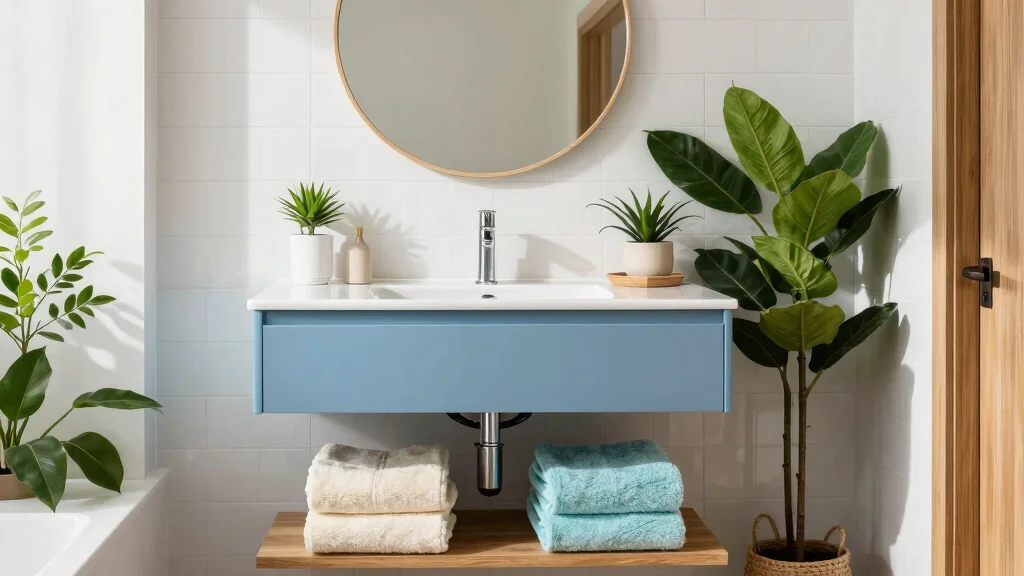
Integrating natural elements into your study room enhances calmness and focus. Plants not only purify the air but also add a refreshing touch of greenery. Opt for low-maintenance varieties like succulents or snake plants if you’re not an experienced gardener.
Utilizing natural materials like wood, stone, and cotton can create a serene, earthy ambiance. A wooden desk or stone accents ground the design, while cotton textiles add comfort.
Enhance your space with these ideas:
– Choose decorative pots that complement your decor style.
– Incorporate natural-inspired decor like wooden frames.
– Balance natural and artificial light for a well-lit environment.
Surrounding yourself with nature can foster a peaceful study atmosphere, reducing stress and improving concentration.
13. Seasonal Decor Changes
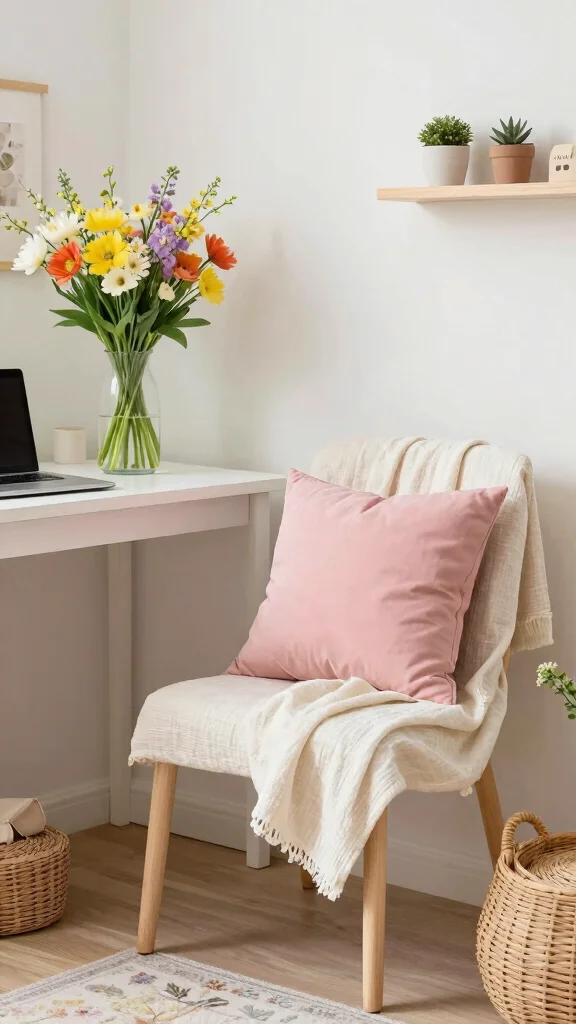
Updating your study room decor with the seasons keeps the space feeling fresh and inviting. This simple practice allows you to express your creativity while maintaining a dynamic environment. In spring, add floral accents, and in autumn, introduce warm, earthy tones.
Swap out cushions, throw blankets, and wall art to reflect the changing seasons. Seasonal plants can also infuse life into your study area, maintaining interest throughout the year.
Consider these seasonal tips:
– Plan seasonal changes ahead to stay organized.
– Store off-season decor neatly to keep clutter at bay.
– Incorporate elements that transition well between seasons.
By embracing seasonal decor, you can continually refresh your study room, making it a personal and inviting space year-round.
Seasonal Decor Changes
Editor’s Choice


Conclusion
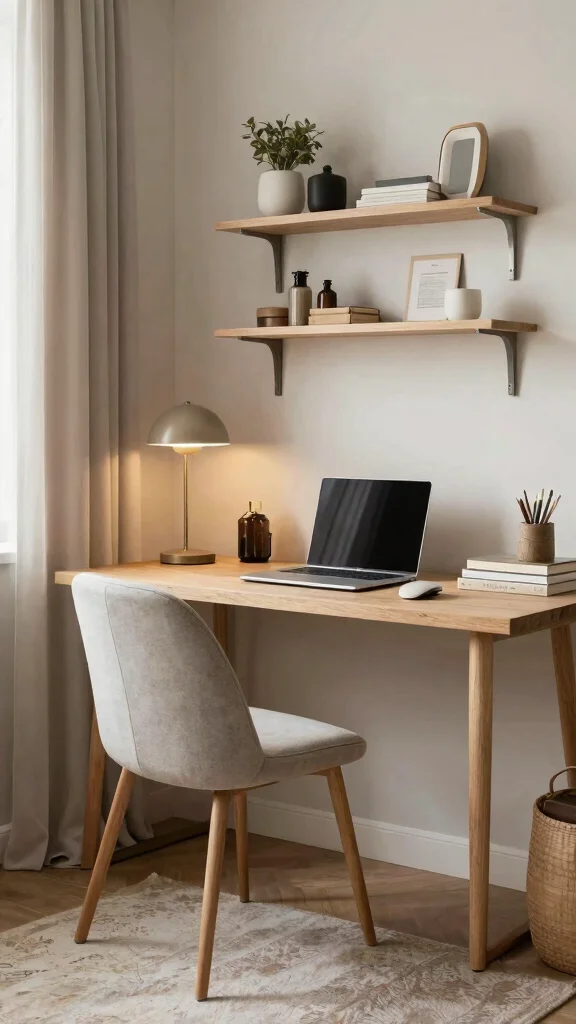
Creating a study room that balances comfort, storage, and style is essential for a productive environment, especially in small spaces. By choosing ergonomic furniture, incorporating storage solutions, and adding personal touches, you can design a space that inspires creativity and focus. It’s about making the most of what you have while ensuring your study area reflects your personality and style. Take these ideas to heart and start transforming your study room today!
Your ideal study space awaits, and with these tips, you’re just a few steps away from achieving a cozy and stylish setup.
Note: We aim to provide accurate product links, but some may occasionally expire or become unavailable. If this happens, please search directly on Amazon for the product or a suitable alternative.
This post contains Amazon affiliate links, meaning we may earn a small commission if you purchase through our links, at no extra cost to you.
Frequently Asked Questions
What features should an ergonomic study desk have for small spaces?
An ergonomic study desk for small spaces should be height-adjustable and compact enough to fit through doorways. Look for a desk around 28-30 inches high with a 22-28 inch depth to leave room for keyboard and mouse. A monitor arm or adjustable stand keeps the screen at eye level, reducing neck strain. Integrate simple storage solutions for study such as a slim under-desk drawer or a vertical file rack to keep essentials within reach without crowding the floor. For flexibility, consider a wall-mounted or foldable option that frees floor space when not in use. Pair the desk with a supportive chair and a footrest to complete a practical piece of study room furniture focused on comfort and productivity.
How can I maximize storage in a compact study room?
Start with vertical storage: tall slim bookcases, floating shelves, and wall-mounted cabinets to maximize wall space. Choose storage solutions for study that fit your workflow, like labeled boxes on shelves, a slim rolling cart, and under-desk organizers to keep supplies tidy. A stylish bookshelf can also function as a room divider in a tiny layout. Keep cables neat with organizers to maintain clean surfaces. These strategies show how study room furniture can be both efficient and stylish.
Which study room accessories can boost comfort and productivity?
Focus on a few high-impact study room accessories that remove friction. A quality task lamp with adjustable brightness, an ergonomic chair, and a footrest can transform long study sessions. Add a desk organizer, a cable management tray, and a small whiteboard or sticky-note kit for quick planning. A touch of greenery or a cozy throw can elevate cozy study room decor without clutter. Pair these with a tidy desk for a workspace that really supports study room furniture designed for you.
What are stylish bookshelf ideas for a small study area?
Go vertical with tall, slim bookcases and wall-mounted shelves to free floor space. Mix open shelves with decorative baskets to hide clutter while keeping items accessible. Consider corner shelves, modular units, or built-in solutions that can reconfigure as your needs change. A window-seat with storage underneath is another clever trick for extra seating and storage solutions for study. With these stylish bookshelf ideas, your study room furniture stays practical yet visually appealing.
How can I create cozy yet functional study room decor?
Start with a cohesive color palette and warm lighting to invite focus. Add a soft rug, a textured throw, and a couple of cushions to boost comfort without crowding the space. Choose cozy study room decor items like textiles and a small plant, but keep surfaces clear so your study room furniture can do its job. Use multi-use pieces such as an ottoman with hidden storage or a bench with shelves to add storage without clutter. With thoughtful styling, you’ll have a space that feels welcoming and productive.
Related Topics
study room furniture
ergonomic design
small space solutions
cozy decor
stylish bookshelves
home office setup
storage solutions
minimalist study
workspace organization
budget friendly decor
decorating tips
functional furniture